


A public event to discover the prehistoric engravings of Les Ferradures using 3D technology
Josep Maria Vergès, researcher at IPHES-CERCA and associate professor at Universitat Rovira i Virgili, took part last Saturday in an outreach event dedicated to the prehistoric engravings known as Les Ferradures de Capafonts, named after the nearby village of Capafonts although they are located within the municipality of Prades.
The activity, organised by the Club d’Esports de Muntanya Capafonts in collaboration with the Capafonts Town Council, combined an introductory talk with an interpretive field visit aimed at presenting the research and documentation work carried out by IPHES-CERCA at the site last February.
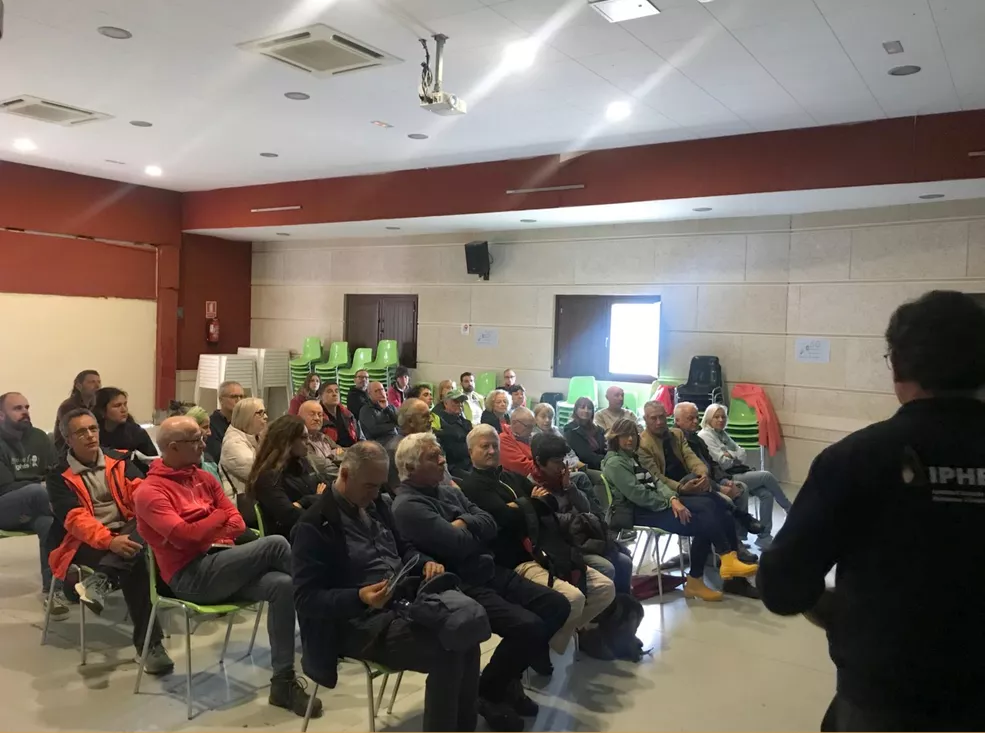
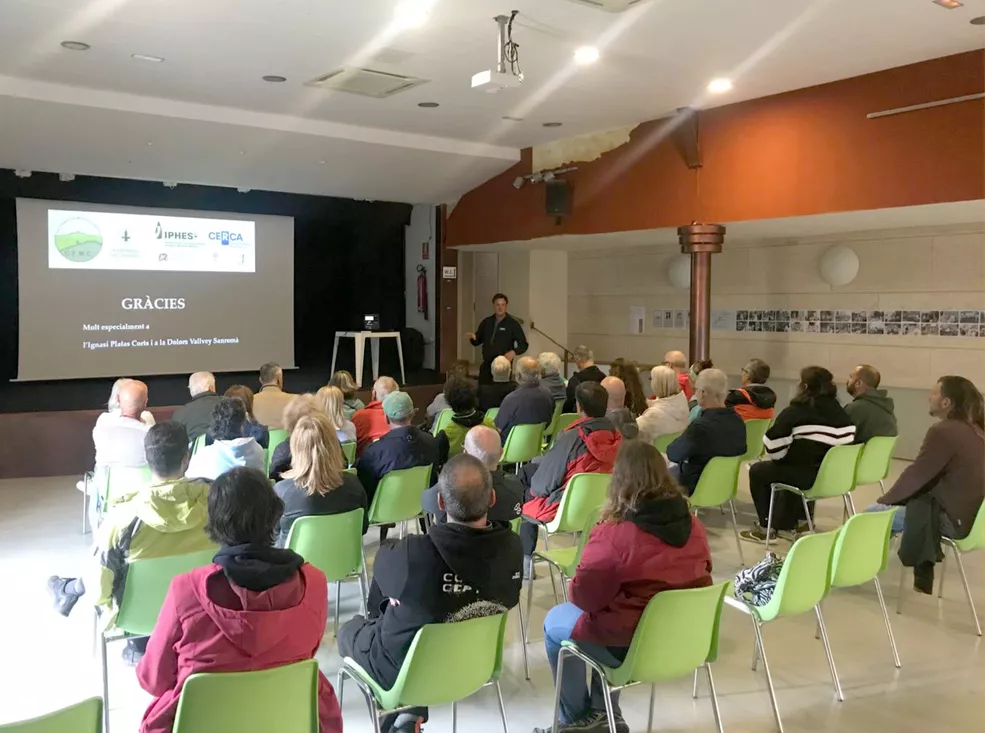
The event began at the Municipal Hall of Capafonts with a lecture by Josep Maria Vergès entitled “Les Ferradures: studying prehistoric engravings using 3D technology”. During his presentation, Vergès explained the main characteristics of the rock art ensemble, as well as the digital documentation methodologies used to study and preserve it.
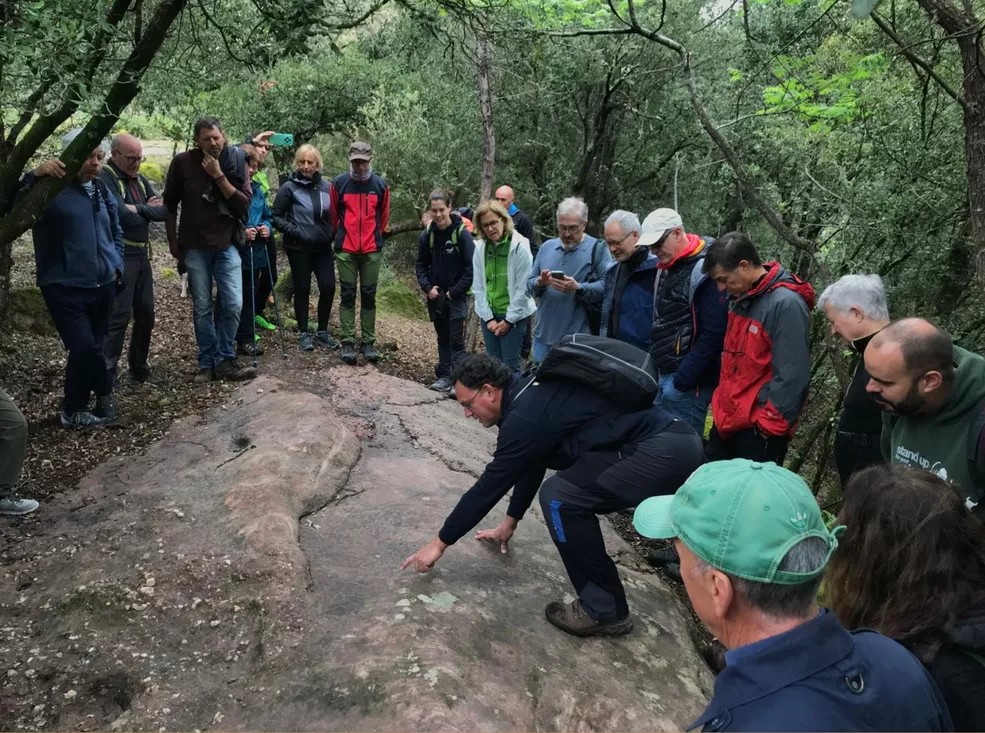
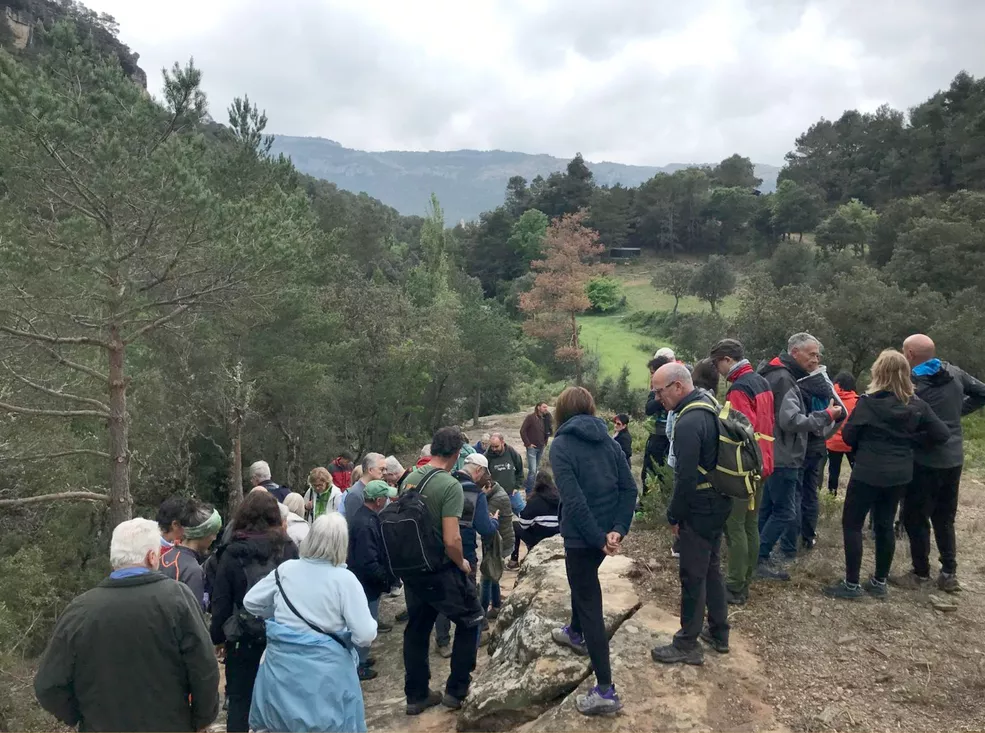
Afterwards, participants walked to Les Ferradures, where an in situ explanation was given about the engravings and the research, cleaning and documentation work undertaken by the research team. The activity allowed attendees to learn first-hand how techniques such as 3D photogrammetric documentation are used to generate high-resolution digital models, a key tool both for scientific research and for the conservation and dissemination of rock art heritage.
The documentation and research work at the site forms part of the four-year research project “Palaeoenvironmental evolution and prehistoric settlement in the counties of Tarragona”, led by IPHES-CERCA and funded by the Department of Culture of the Government of Catalonia.