

Three caves in Granada reveal that cannibalism in southern Iberia was a recurrent practice during the Neolithic
The study of human remains from the caves of Malalmuerzo, Carigüela and Majolicas (Granada) provides the first direct dating of these assemblages and shows that cannibalism occurred at different times and in different social contexts
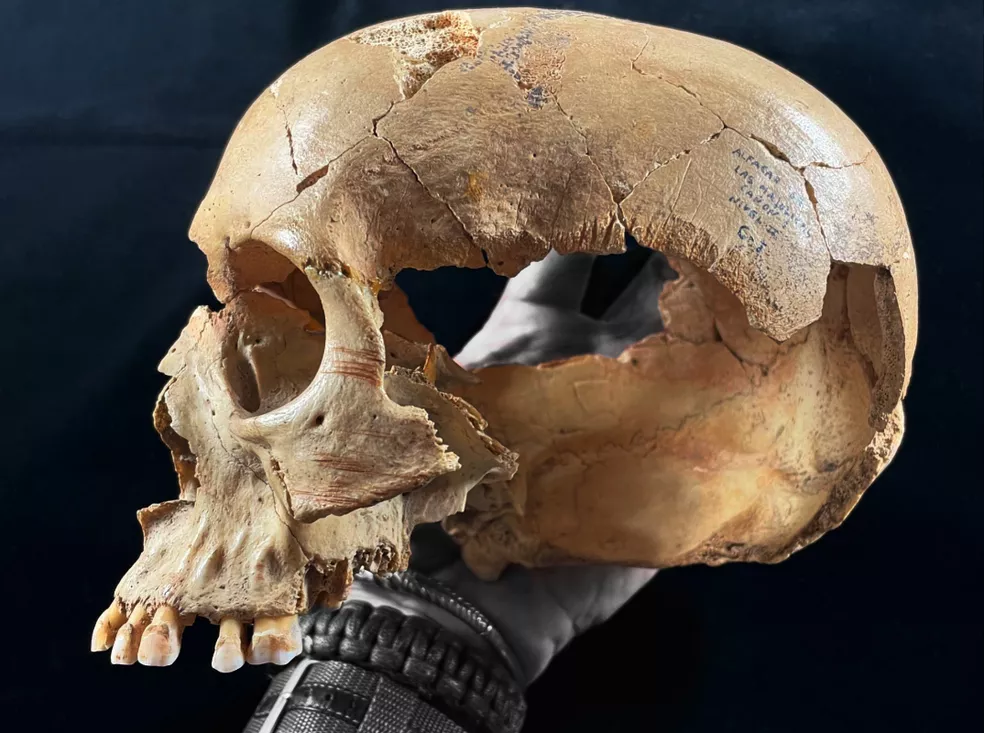
Malalmuerzo Cave may have been the scene of an episode of collective violence followed by cannibalistic practices
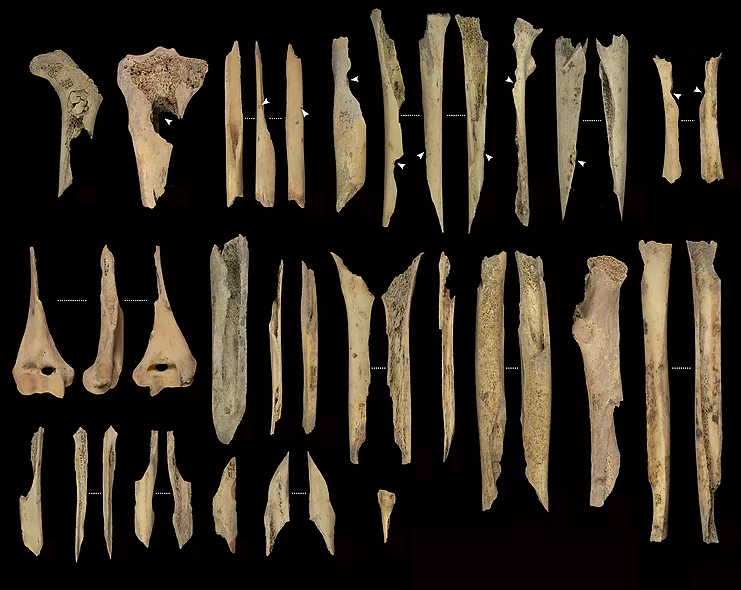
More than 50 years after the caves of Malalmuerzo, Carigüela and Majolicas (Granada) became key reference sites for the study of prehistoric cannibalism, an international team has re-examined nearly a thousand bones from these assemblages using radiocarbon dating and new techniques of taphonomic analysis (the study of all the processes affecting skeletal remains from death until their discovery).
The results have made it possible to reconstruct with unprecedented precision when and how these episodes occurred. They also reveal that cannibalism in Iberia during the Neolithic was neither a uniform practice nor confined to a single period. Instead, it consisted of recurrent but chronologically separate episodes associated with different social contexts and motivations. This pattern is consistent with observations from other regions of Europe.
The research, published in the Journal of Archaeological Science, was co-led by the Catalan Institute of Human Paleoecology and Social Evolution (IPHES-CERCA) and the Spanish National Research Council (CSIC), through the Institute of Archaeology of Mérida (IAM), a joint centre of the CSIC and the Regional Government of Extremadura. The study also involved the Universitat Rovira i Virgili (URV), the University of Vienna (Austria), the Fundação Museu do Homem Americano (Brazil), CONICET–Instituto Nacional de Antropología y Pensamiento Latinoamericano (Argentina), and the University of Granada.
Three sites, three stories
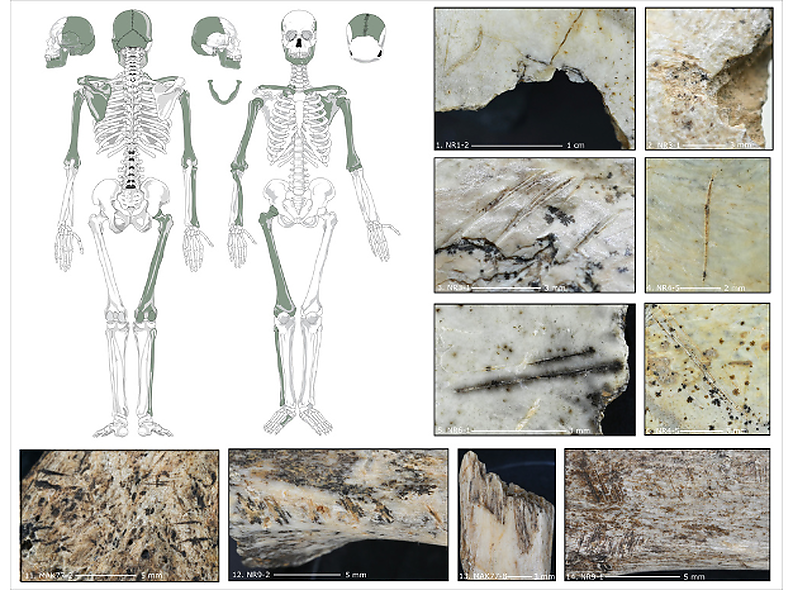
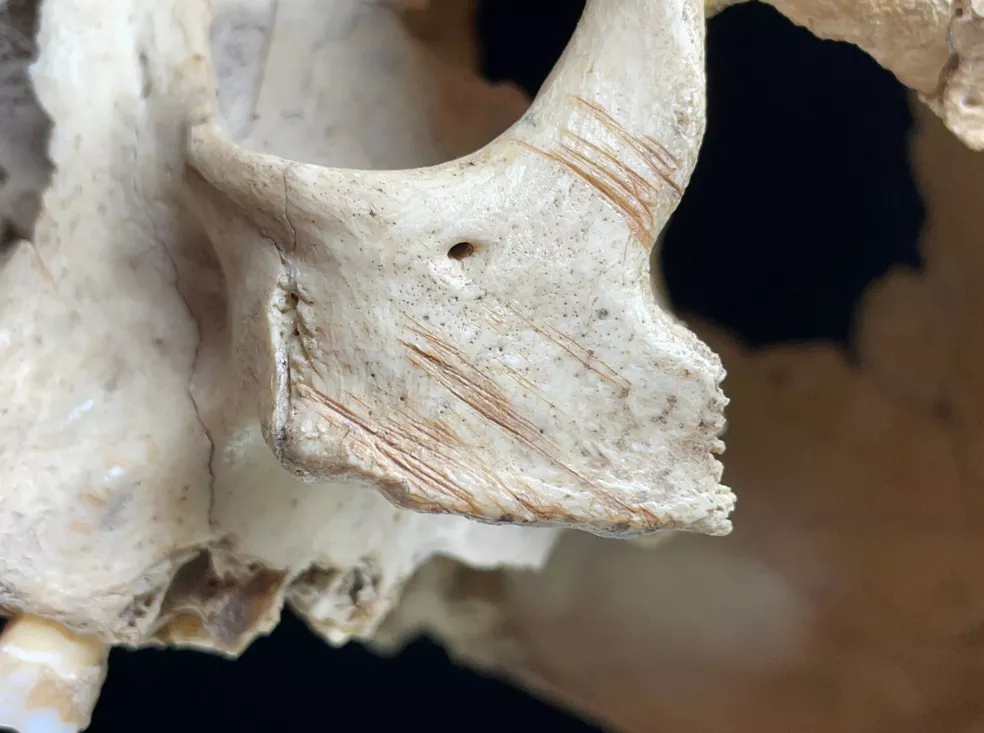
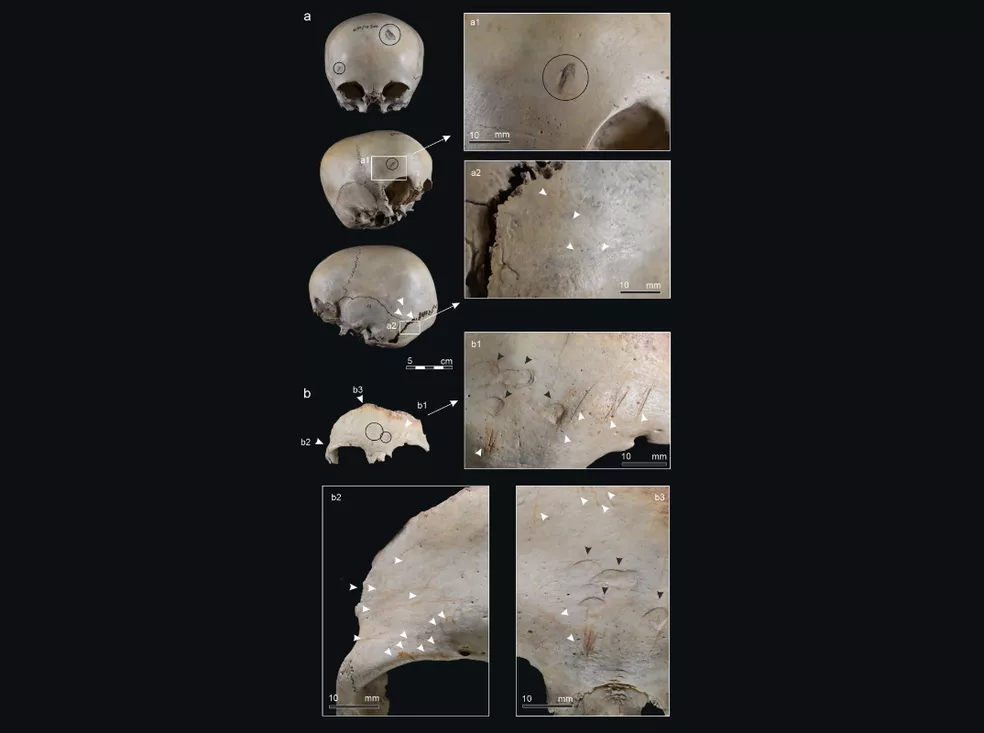
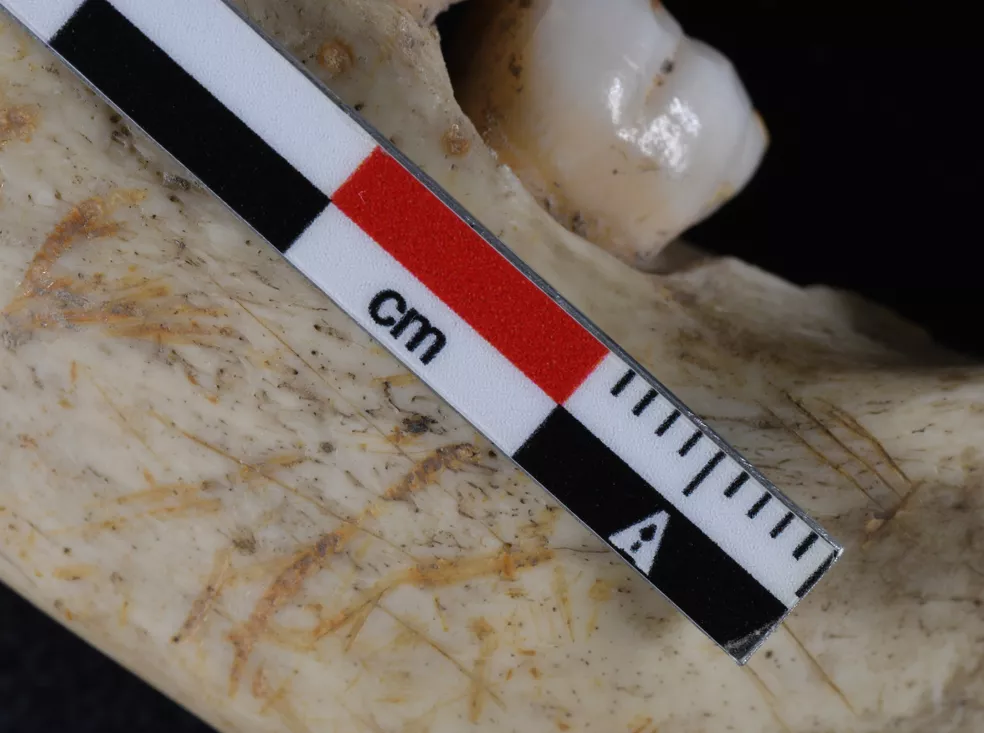
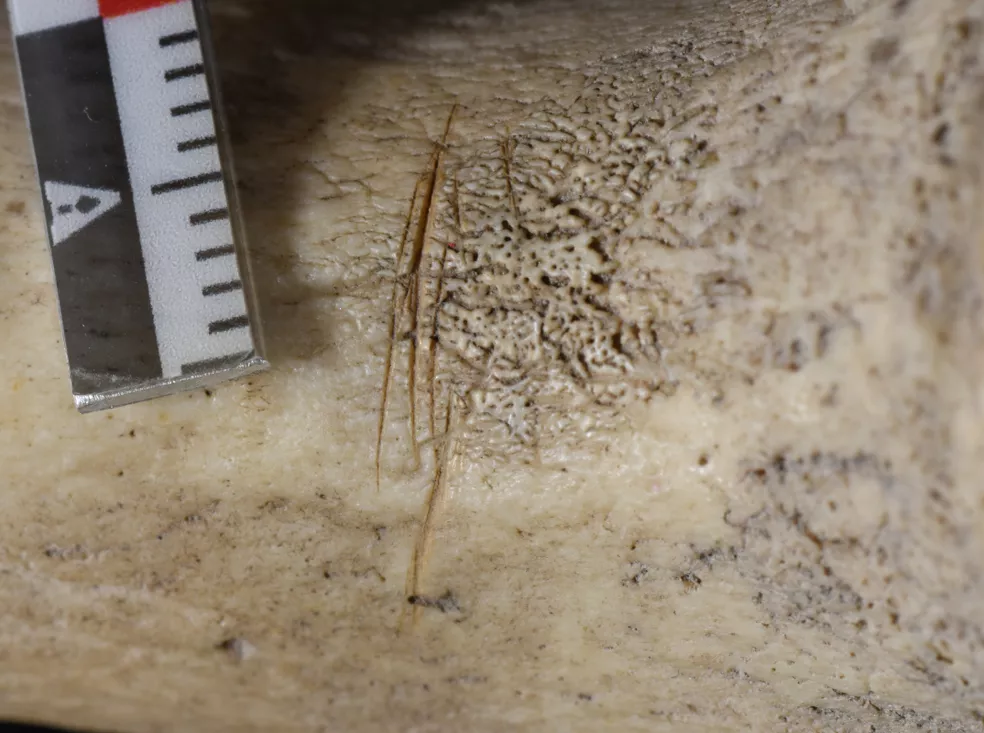
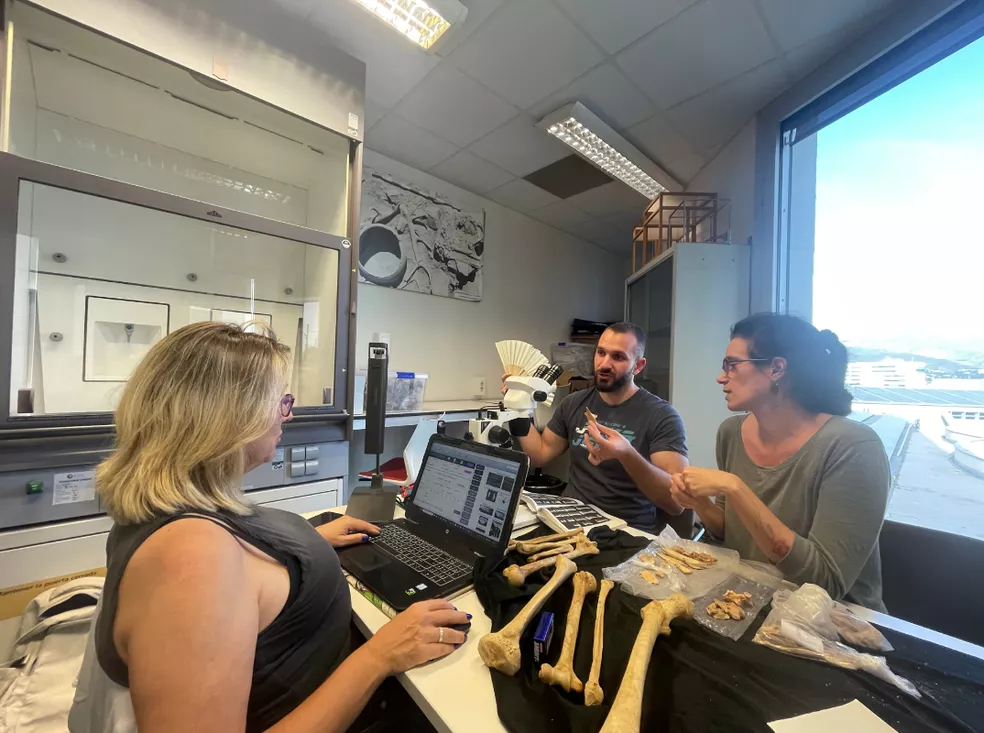
The team studied nearly a thousand human remains from the three caves to determine whether they had been intentionally manipulated. The bones were examined under a microscope to identify cut marks, fractures, blows and tooth marks, and to distinguish between breakage occurring while the bone was still fresh and damage occurring some time after death. The researchers also combined statistical methods and machine learning to determine whether these fractures were accidental or caused by human activity. They also estimated the age of the individuals (based on their teeth and degree of skeletal development) and carried out direct radiocarbon dating.
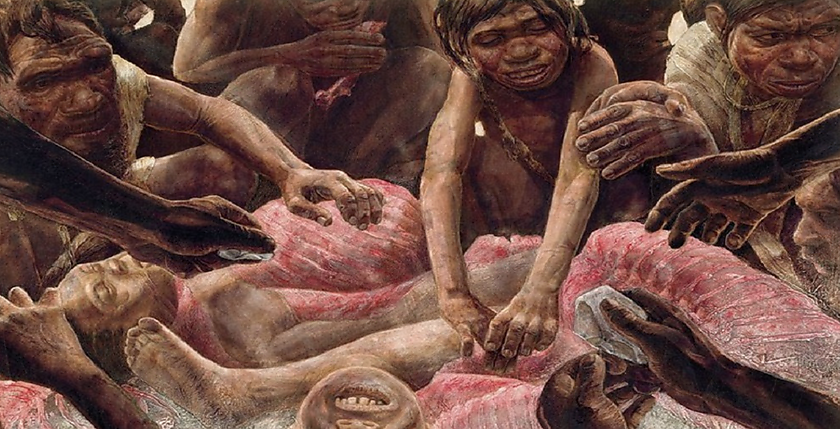
The results show that, despite similarities in the processing of the bodies—including cut marks, evidence consistent with boiling and tooth marks—each site tells a different story: Malalmuerzo shows evidence of violence; Carigüela illustrates the recurrence of these practices (as well as a highly distinctive treatment of skulls); and Majolicas appears to have been the setting for ritual practices.
“For decades, prehistoric cannibalism has tended to be interpreted as a single type of behaviour. Our work shows that it is not possible to speak of a single form of ‘Neolithic cannibalism’, because similar archaeological evidence may conceal very different social realities,” explains Antonio Rodríguez-Hidalgo, Ramón y Cajal researcher at the Institute of Archaeology of Mérida (IAM, CSIC–Regional Government of Extremadura). “Only by integrating chronology, archaeological context and the information preserved in the bones can we begin to understand its meaning,” he adds.
A possible episode of collective violence
Malalmuerzo Cave provides one of the study’s most striking results: a possible episode of collective violence that occurred around 5000 BC. “At Malalmuerzo, we have found fractures that point to violent deaths. In addition, our analyses indicate the presence of remains from all age groups, which would suggest a violent event in which all or almost all the individuals in a group were killed and subsequently consumed,” explains Antonio Rodríguez-Hidalgo.
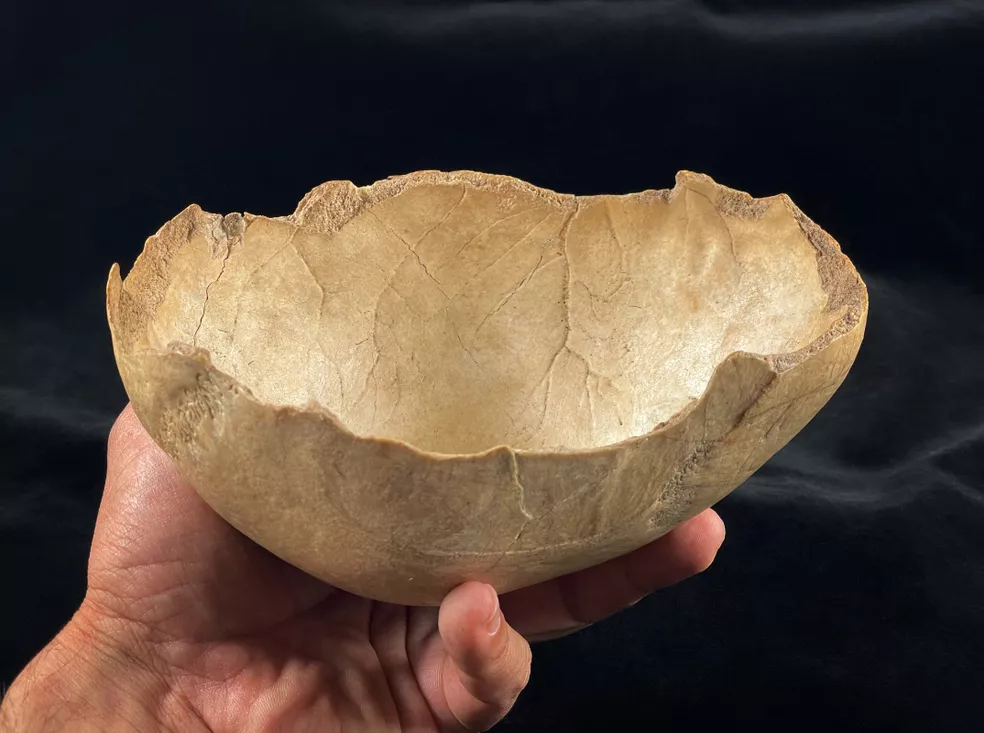
The dates from Carigüela, meanwhile, point to several episodes occurring at different times during the Neolithic. The cave contains one of the most unusual finds: two skulls modified to produce cranial containers (‘skull cups’).
The most recent episode documented (around 3800 BC) corresponds to Majolicas Cave, where the cannibalistic practices do not appear to be associated with episodes of violence. Bones stained red, probably with cinnabar, have also been found there. Cinnabar is a rare mineral of considerable symbolic importance associated with ritual and mortuary practices.
A temporal pattern shared across Europe
The results place the Granada sites within a broader European context. “The available evidence suggests that cannibalism was not a continuous phenomenon during the European Neolithic, but rather was concentrated in certain periods and regions; a temporal pattern shared across Europe into which the episodes documented in these three caves also fit,” explains Francesc Marginedas.
More specifically, anthropophagic practices during the European Neolithic are concentrated in three periods: the end of the sixth millennium BC, the middle of the fifth millennium BC and the end of the third millennium BC, by then in the Bronze Age. The researchers do not know the ultimate reason for this chronological coincidence. “We cannot say that all these episodes had a common cause, but we can say that throughout the Neolithic, in a discontinuous yet recurrent manner, there was a context of conflict and/or manipulation of human remains that we believe reflects changes in social organisation, intergroup relations, and attitudes towards death and violence,” explains Palmira Saladié.
The scientific value of historical collections
The research highlights the scientific value of historical archaeological collections and demonstrates that applying new methodologies to materials excavated decades ago can yield previously unknown information.
The study also has a distinctive dimension: one of its authors is the researcher who first brought these assemblages to scientific attention in the 1970s, Miguel C. Botella, who at the time was director of the Forensic Archaeology Laboratory at the University of Granada and is now professor emeritus at the same university.
“His work helped establish Malalmuerzo, Carigüela and Majolicas as reference sites for the study of cannibalism in European Late Prehistory,” adds Francesc Marginedas.
Half a century later, Botella has taken part in the re-examination of those same remains using new approaches, including direct radiocarbon dating and new methods of taphonomic analysis.
“It has been a privilege to work alongside Professor Miguel C. Botella in re-examining assemblages that he himself established as reference collections more than fifty years ago. Returning to these materials with new tools has allowed us to address questions that were impossible to answer at the time,” says Palmira Saladié, researcher at IPHES-CERCA and lead author of the study.
The research was funded by the Spanish Ministry of Science, Innovation and Universities through project PID2024-156477NB-C31; the Agency for Management of University and Research Grants (AGAUR) through consolidated research group SGR2021-01239; the María de Maeztu excellence accreditation (CEX2024-01485-M); and the Palarq Foundation through its Analíticas funding call.
Reference:
Saladié, P., Rodríguez-Hidalgo, A., Marginedas, F., Solari, A., & Botella, M. C. (2026). Multiphase human cannibalism in Neolithic southern Iberia: Chronological and taphonomic evidence from Malalmuerzo, Carigüela, and Majolicas Caves. Journal of Archaeological Science, 194, 106666. https://doi.org/10.1016/j.jas.2026.106666