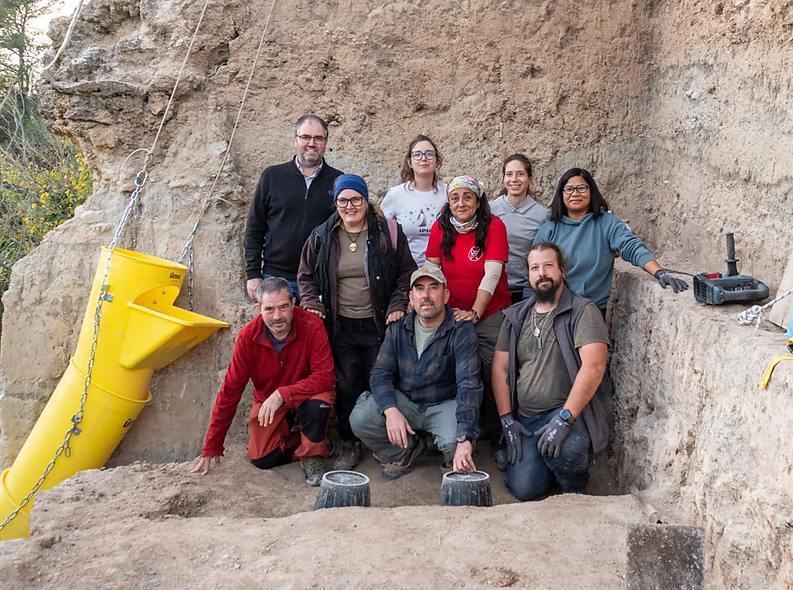
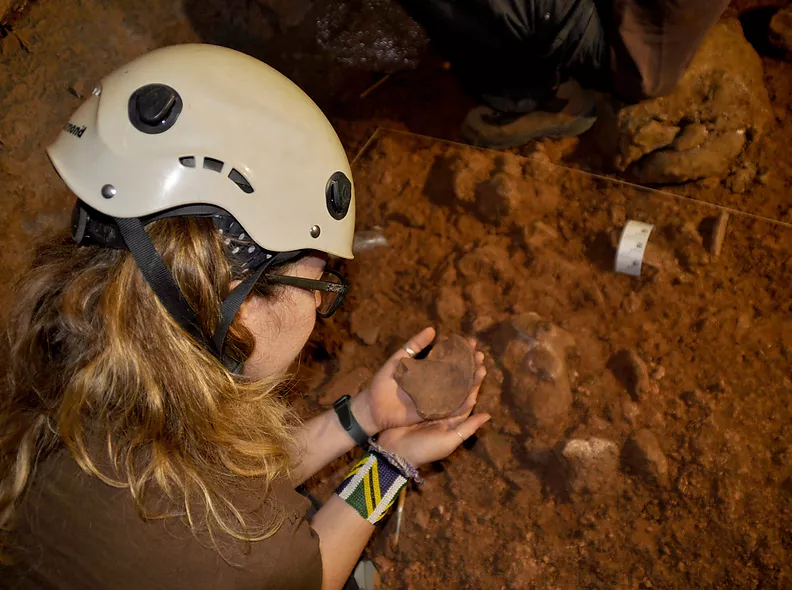
Cal Sitjo prepares to excavate Mesolithic levels dating back 8,800 to 10,200 years
News

Cal Sitjo prepares to excavate Mesolithic levels dating back 8,800 to 10,200 years

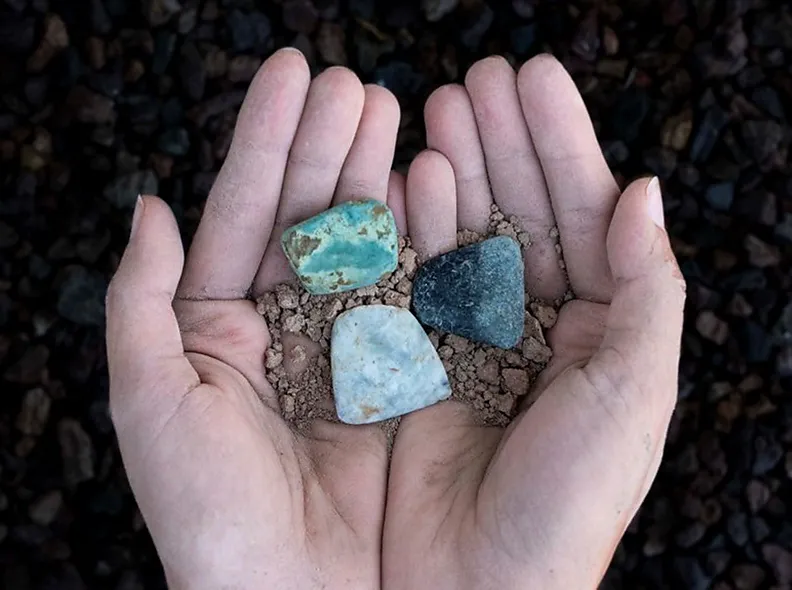
Cova dels Xaragalls provides new clues to how prehistoric communities managed their dead
News

Cova dels Xaragalls provides new clues to how prehistoric communities managed their dead

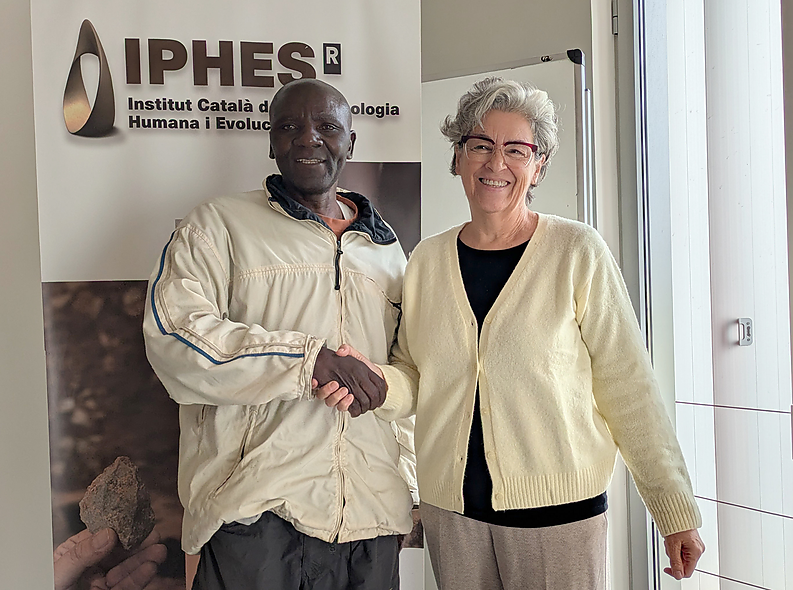
IPHES-CERCA strengthens scientific collaboration with Tanzania in archaeobotany and ethnoarchaeology
News

IPHES-CERCA strengthens scientific collaboration with Tanzania in archaeobotany and ethnoarchaeology

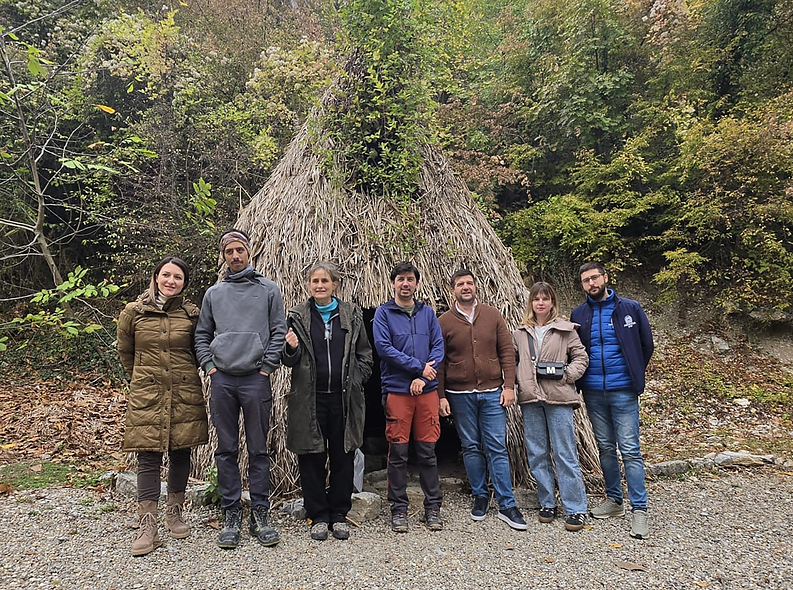
IPHES-CERCA investigates the use of fire and living conditions of prehistoric communities along the Danube
News

IPHES-CERCA investigates the use of fire and living conditions of prehistoric communities along the Danube

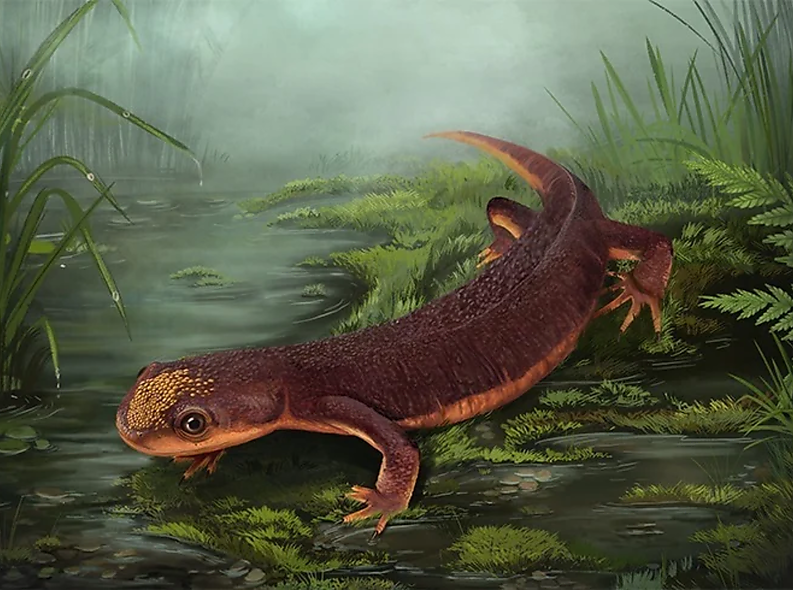
A new species of amphibian that lived shortly before the extinction of the dinosaurs has been discovered in Huesca
News

A new species of amphibian that lived shortly before the extinction of the dinosaurs has been discovered in Huesca

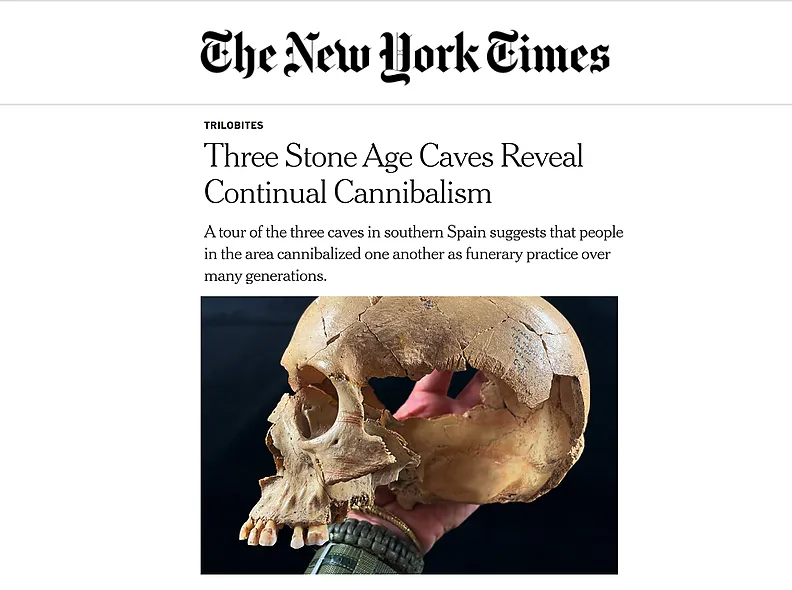
<i>The New York Times </i>features IPHES-CERCA-led research on Neolithic cannibalism in southern Iberia
Media appearances

The New York Times features IPHES-CERCA-led research on Neolithic cannibalism in southern Iberia

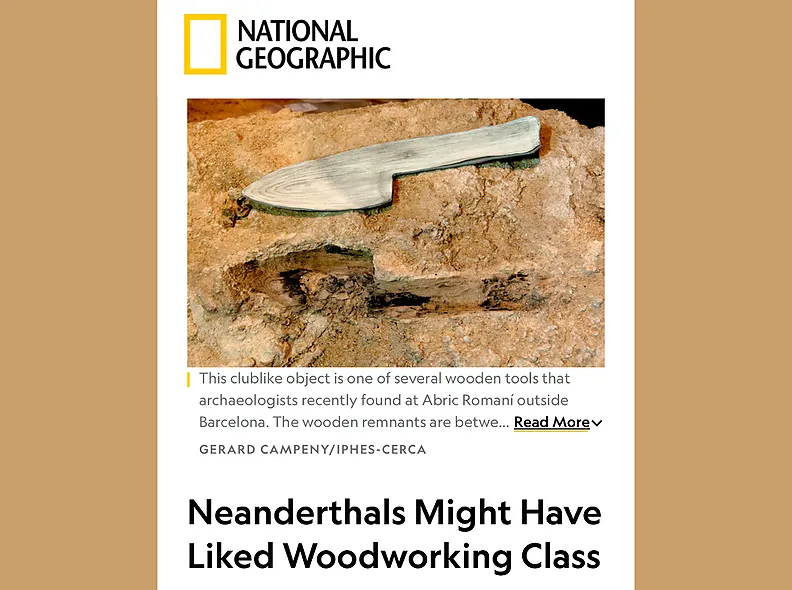
<em>National Geographic </em>highlights the discovery of Neanderthal wooden tools at Abric Romaní
Media appearances

National Geographic highlights the discovery of Neanderthal wooden tools at Abric Romaní

Media appearances

Míriam Salas-Altès visits the program La Veu de Tarragona of Tarragona Ràdio talking about the Cova de la Font Major

Media appearances

TAC12 highlights the study on the Paleolithic art of the Cova de la Font Major

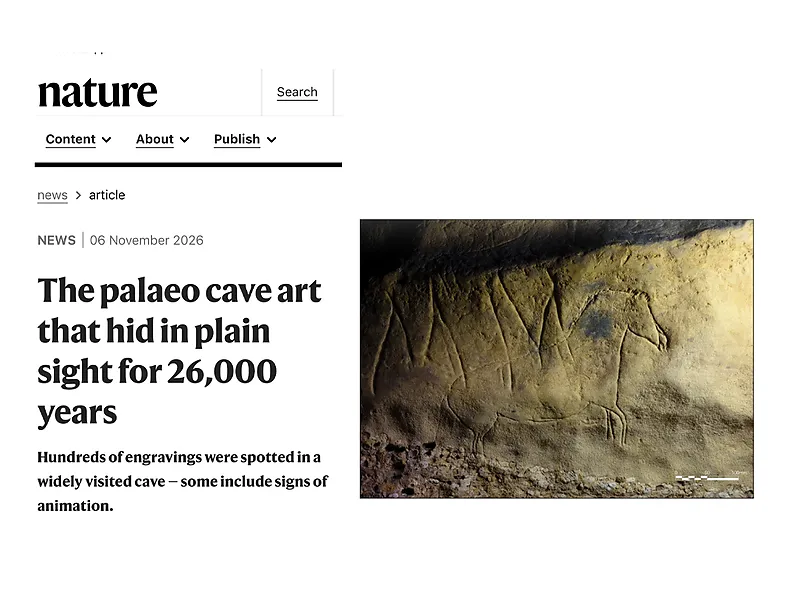
<b><i>Nature</i></b><b> features IPHES-CERCA’s discovery of Palaeolithic cave art at Cova de la Font Major</b>
News

Nature features IPHES-CERCA’s discovery of Palaeolithic cave art at Cova de la Font Major

Cova de la Font Major challenges the traditional map of European Palaeolithic art
News

Cova de la Font Major challenges the traditional map of European Palaeolithic art

The magazine Nature selects images of Neanderthal remains recovered from the Abauntz cave (Arraitz-Orkin, Navarra) among the Images of the Month for October.
News

The magazine Nature selects images of Neanderthal remains recovered from the Abauntz cave (Arraitz-Orkin, Navarra) among the Images of the Month for October.

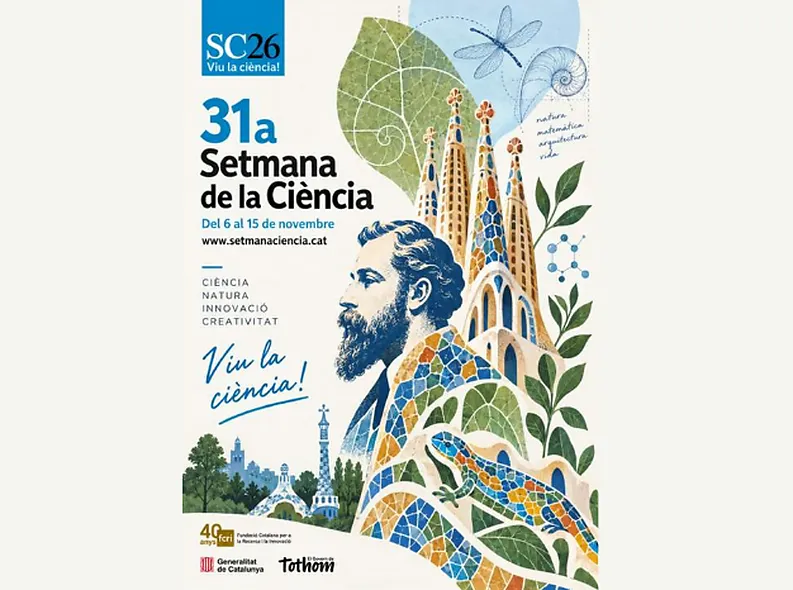
From human evolution to the archaeology of waste: IPHES-CERCA celebrates Science Week with activities for all ages
News

From human evolution to the archaeology of waste: IPHES-CERCA celebrates Science Week with activities for all ages

<b>Two IPHES-CERCA researchers ranked among the world’s top 2% most-cited scientists</b>
News

Two IPHES-CERCA researchers ranked among the world’s top 2% most-cited scientists

IPHES-CERCA hosts CERCAMENT workshop on psychological well-being in research environments
News

IPHES-CERCA hosts CERCAMENT workshop on psychological well-being in research environments

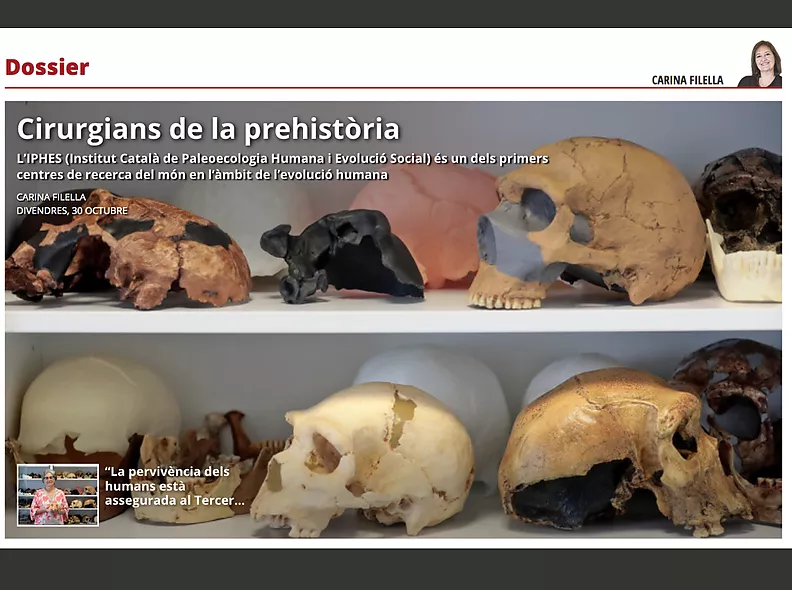
<span>El Punt Avui dedicates an extensive report to IPHES-CERCA and interviews its director, Marina Mosquera</span>
Media appearances

El Punt Avui dedicates an extensive report to IPHES-CERCA and interviews its director, Marina Mosquera

From the Caucasus to China: IPHES-CERCA strengthens an international network to investigate human evolution in Asia
News

From the Caucasus to China: IPHES-CERCA strengthens an international network to investigate human evolution in Asia

<span>Dr. M. Gema Chacón talks about the use of wood by the Neanderthals of Abric Romaní in the program El Tren de la Història on SER Catalunya</span>
Media appearances

Dr. M. Gema Chacón talks about the use of wood by the Neanderthals of Abric Romaní in the program El Tren de la Història on SER Catalunya

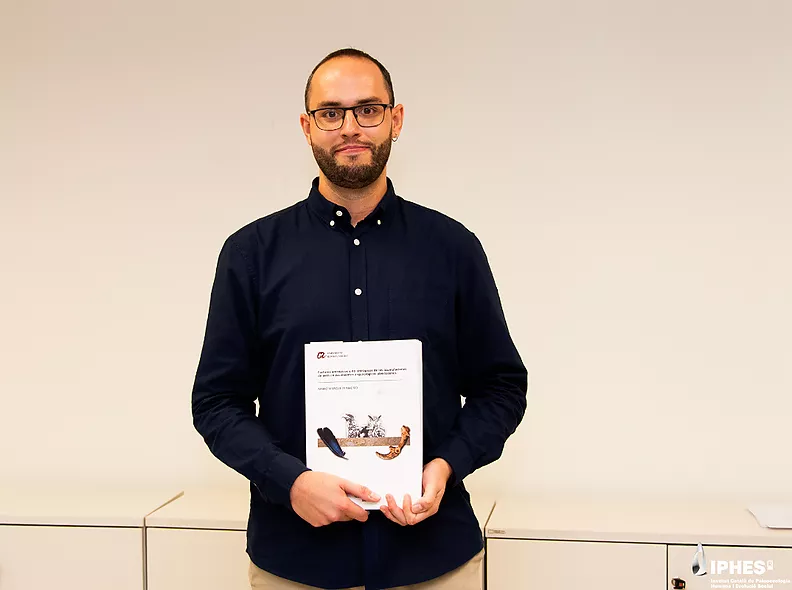
Mario Marqueta defends his PhD thesis, “<i>Anthropic and Non-Anthropic Factors in Bird Bone Accumulations at Pleistocene Archaeological Sites</i>” <b> </b>
News

Mario Marqueta defends his PhD thesis, “Anthropic and Non-Anthropic Factors in Bird Bone Accumulations at Pleistocene Archaeological Sites”  

International study shows that Rome profoundly transformed the genetic makeup of the Iberian Peninsula, while later migrations had a much smaller impact <b> </b>
News

International study shows that Rome profoundly transformed the genetic makeup of the Iberian Peninsula, while later migrations had a much smaller impact  

This website uses its own and third-party cookies to improve the browsing experience as well as for analysis tasks.

What are cookies?

A cookie is a small file stored on the user's computer that allows us to recognize it. The set of cookies helps us improve the quality of our website, allowing us to monitor which pages the website users find useful and which they do not.

Acceptance of the use of cookies.

Necessary technical cookies

Always active

Technical cookies are absolutely essential for the website to work properly. This category only includes cookies that guarantee the basic functions and security functions of the website. These cookies do not store any personal information.

Analytic cookies

All cookies that may not be particularly necessary for the website to function and are used specifically to collect personal data from the user through analysis, ads and other embedded content are called non-necessary cookies. The user's consent is required before running these cookies on the website.