


IPHES-CERCA launches the “Esqueletos en Línea” web repository, featuring hundreds of 3D models from its reference osteological collection
The open-access platform strengthens the project, culminating in the online publication of an essential part of the institute’s Reference Osteological Collection
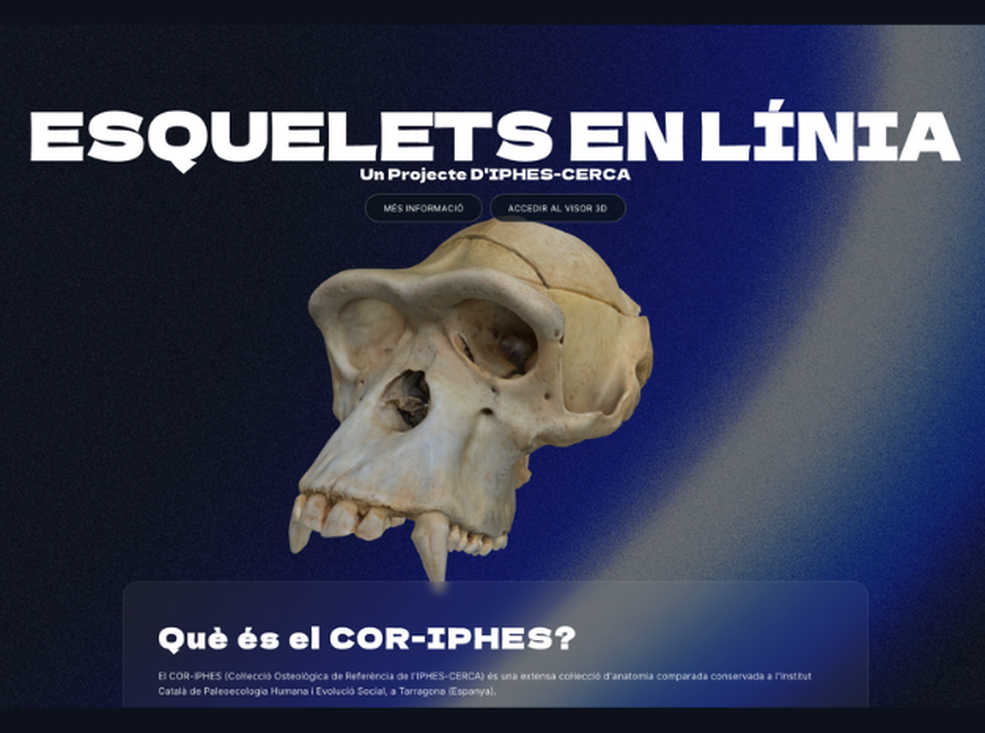
IPHES-CERCA is taking a decisive step in its commitment to open science with the launch of the new “Esqueletos en Línea” web portal, a digital repository that now allows users to consult and download hundreds of 3D models of bones and teeth from the Reference Osteological Collection (COR-IPHES). The platform, accessible via https://cor.iphes.cat, completes the project initiated in 2024 and funded by the Fundación Española para la Ciencia y Tecnología, F.S.P. (FECYT), through the María de Guzmán grants of the Ministry of Science and Innovation.
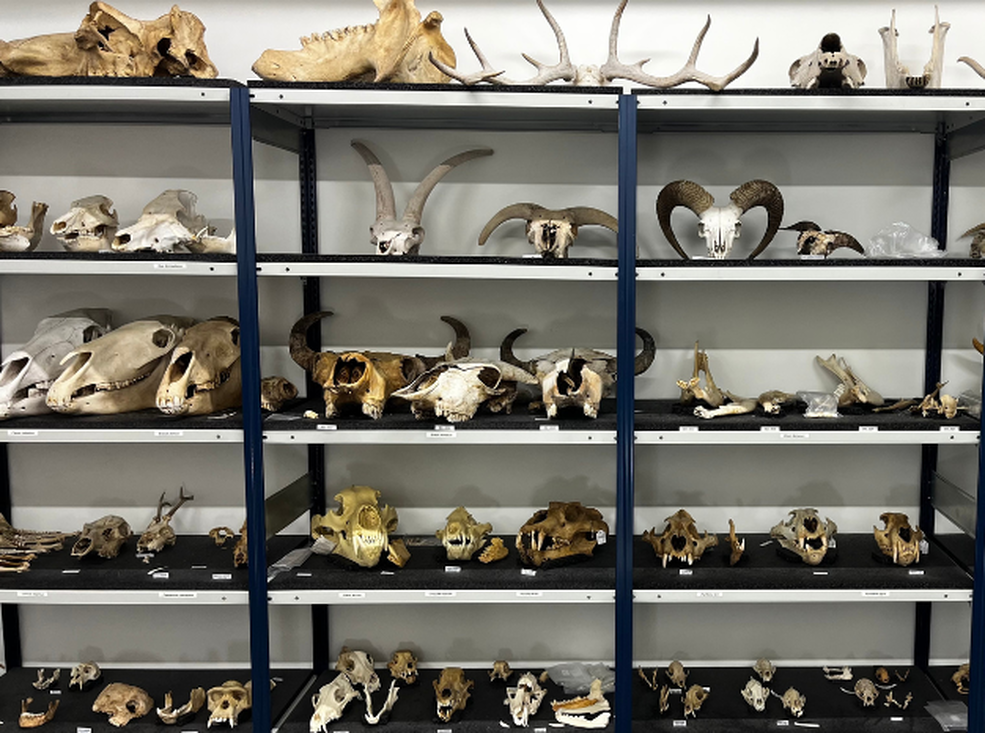
This repository marks the first time that such a significant portion of the COR-IPHES (one of the fastest-growing reference osteological collections) is made available to the scientific and educational community in digital, open-access format.
A unique scientific resource, accessible from anywhere in the world
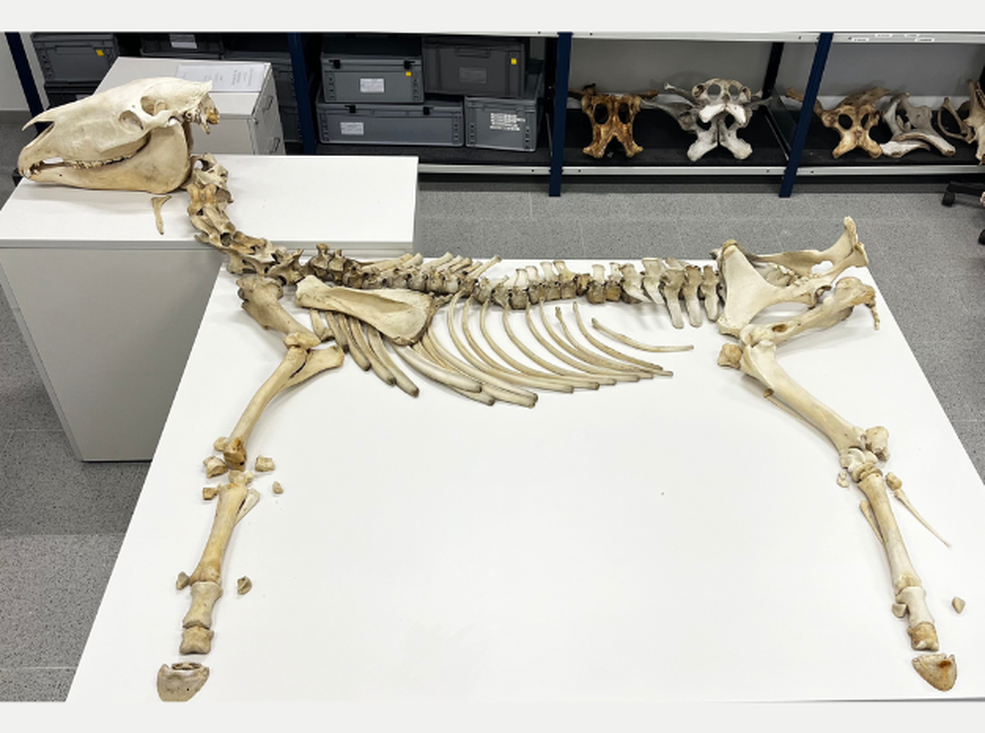
The new portal provides immediate access to an expanding selection of the IPHES-CERCA osteological collection, which includes around 350 complete or partial skeletons of mammals and birds from Europe and Africa, gathered over more than 30 years of collaborations with animal rescue centres and national and international institutions. All specimens were obtained following strict ethical and legal criteria, thanks to agreements with organisations such as the Barcelona Zoo, the Mona Foundation (Riudellots de la Selva), the Zoo del Pirineu Foundation (Odèn), the wildlife recovery centres of the Government of Catalonia, the Centro Cinegético del Bosque de Riofrío (Segovia), the Lacuniacha Wildlife Park (Huesca), and the Centro de Análisis y Diagnóstico of the Andalusian Regional Government (Málaga), among others.
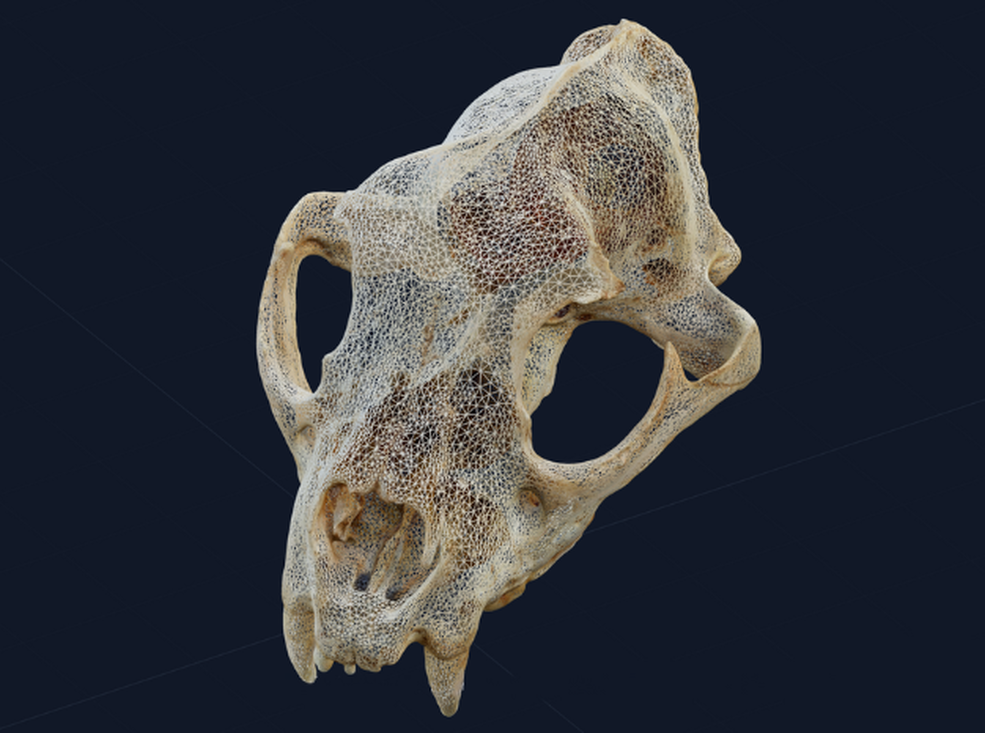
The digitalisation process, conducted using high-resolution 3D scanning, allows detailed anatomical structures to be examined and the models to be used for research, teaching, museography and 3D printing. Brice Lebrus, Karen Fortuny and Deborah Broitman carried out the scanning, digital processing and publication of the models, ensuring the highest quality standards.
According to Dr Palmira Saladié, project director, “this repository marks a turning point in the conservation and accessibility of the collection. Digitalisation allows researchers to work with the samples without compromising their preservation, and enables access from anywhere in the world.”
Open science and reduced impact on the physical collection
Publishing the 3D scans online significantly reduces the need for physical handling of the original specimens, contributing to their long-term preservation. It also minimises travel for researchers and students, promoting more sustainable and efficient research practices.
The repository incorporates multiple visualisation formats —including an integrated 3D viewer and basic information associated with each item— and is designed to expand in the coming years. The project also sets out the technical protocols needed for IPHES-CERCA to continue increasing the database in future digitalisation initiatives.
To date, nearly 50 individuals have been digitised, representing more than 2,000 bones. The collection includes both mammals and birds, with emblematic species such as the lynx or the bearded vulture, as well as more exotic examples such as Sumatran tigers and a snow leopard skull. Species commonly used in archaeozoological and palaeontological research —including different types of deer, horses and bison— are also available.
The models can be viewed on the web portal and downloaded through CORA, the digital repository of the Government of Catalonia, where all files are hosted.
A project that opens the door to new collaborations
With the repository now active, IPHES-CERCA invites zoological, museum and research institutions to join future developments of the project by contributing new specimens or using the established protocols to generate compatible digital collections.
IPHES-CERCA’s commitment to transparency and open access
With the launch of “Esqueletos en Línea”, the institute strengthens its leadership in scientific heritage digitalisation and reaffirms its commitment to transparency, reuse and open data dissemination.
“This repository is only the beginning,” the project’s management highlights. “The physical collection will continue to grow, and will now evolve in parallel with its digital mirror, expanding research and educational opportunities everywhere.”