IPHES - Institut Català de Paleoecologia Humana i Evolució Social
Media appearances
Diego Lombao: "The Barranc de la Boella is a unique witness to the technological change of hominins in Europe"
News
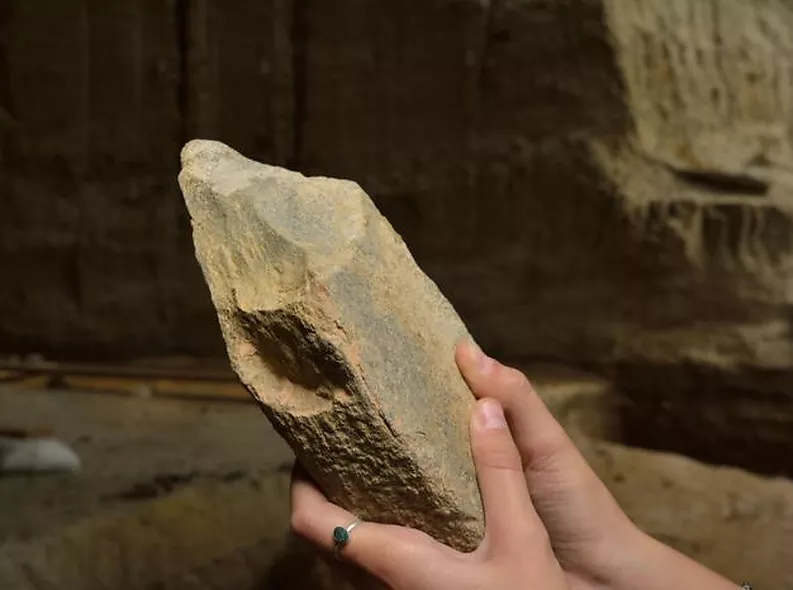
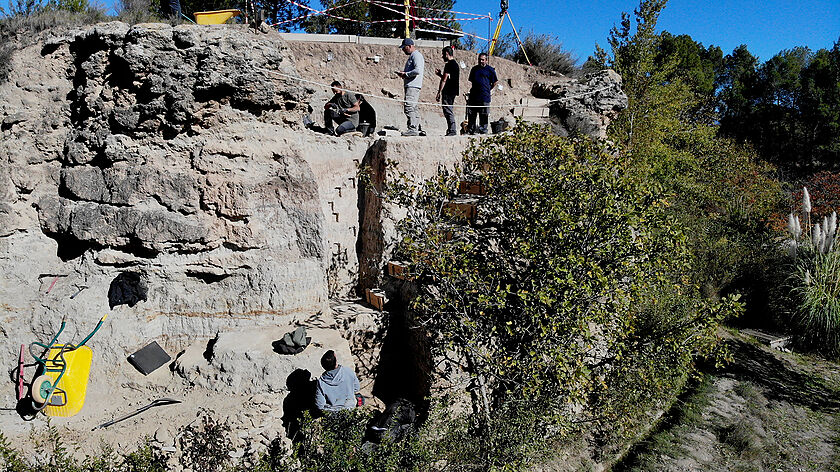
The first advanced stone tools in Europe were made at the Barranc de la Boella site more than 900,000 years ago
News
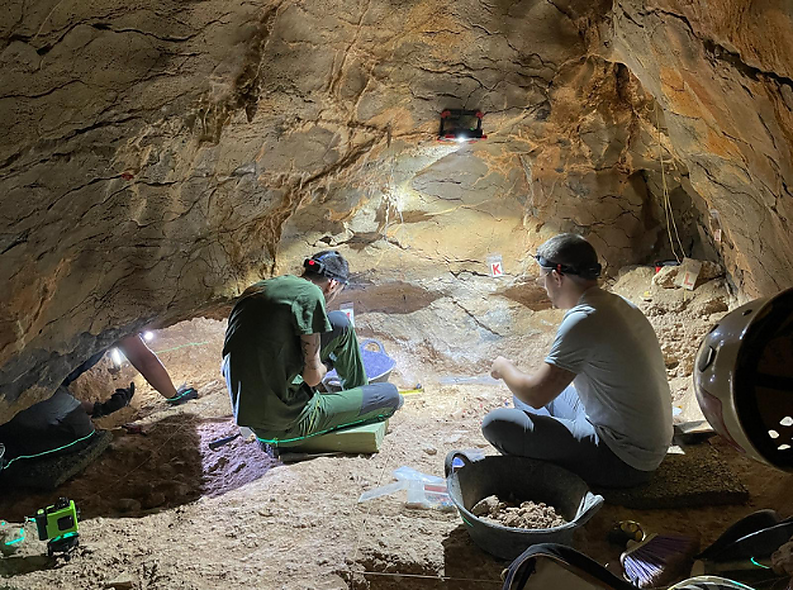
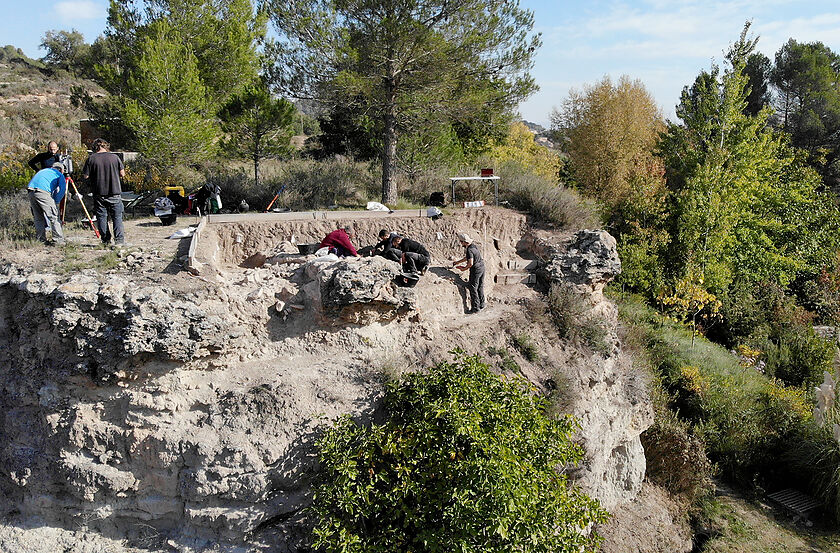
The excavation at the Cal Sitjo site in Sant Martí de Tous uncovers remains from 9,000 years ago
Media appearances
Decoding Changes: Technological and Statistical Investigation of the MSA-LSA Transition in the Horn of Africa
News
The first Homo sapiens who arrived in Pallars
News
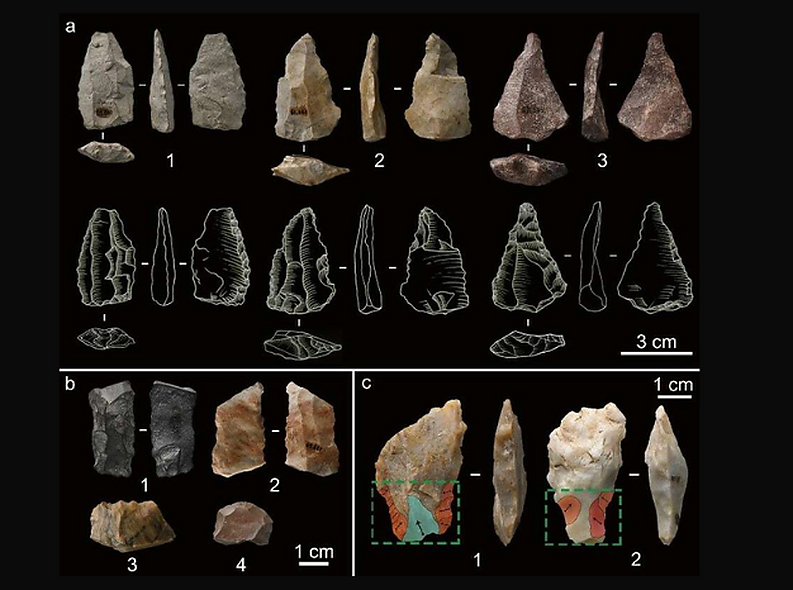
They discover an advanced material culture from 45,000 years ago in China
News
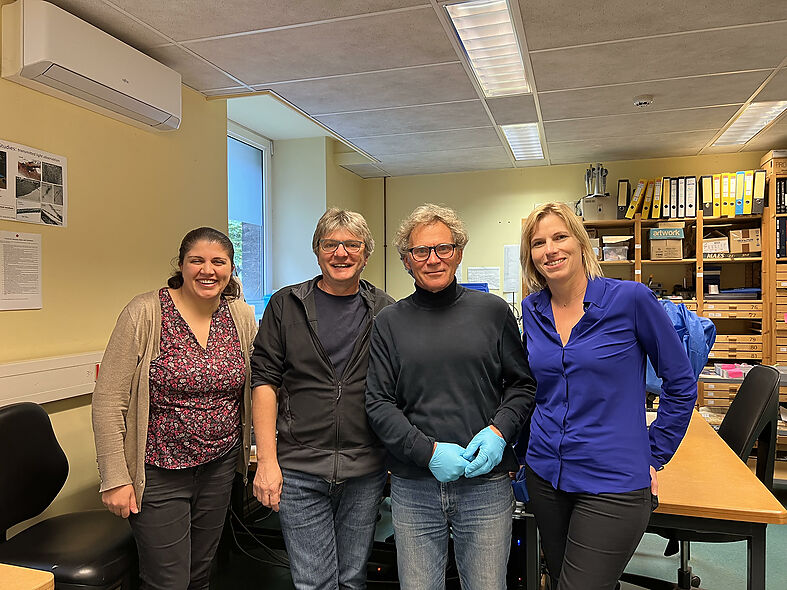
IPHES-CERCA joins the celebration of 10 years of Traceolab, the Traceology Laboratory of the University of Liège (Belgium)
News
Cal Sitjo de Sant Martí de Tous, jaciment clau per conèixer les darreres societats caçadores i recol·lectores i els primers agricultors de la Catalunya central
News
IPHES-CERCA participates in the XIV Aragonese Conference on Paleontology
News
The Barranc de la Boella site, key to understanding the first human occupations in Europe
News
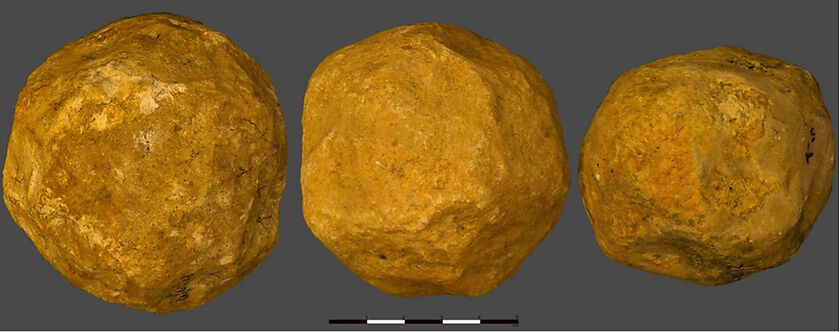
New 3D analysis of limestone spheroids from the Early Acheulian site of ‘Ubeidiya (Israel) indicates intentional imposition of symmetric geometry
News
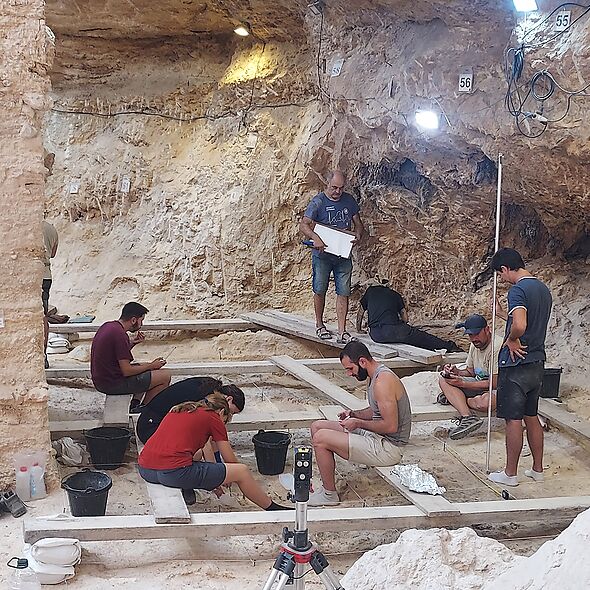
Les excavacions a l'Abric Romaní revelen un campament de tardor de comunitats neandertals caçadores de cérvols de fa 60.000 anys
News
Multianalytical and quantitative approach to microwear due to use in lithic instruments
News
Experiments on postdepositional abrasion in lithic materials
Media appearances
Interview by Juan Ignacio Martin Viveros in the Cienciaes.com "Hablando con Científicos" podcast
News
New studies of unique stone tools excavated from Nahal Mahanayeem Outlet (NMO) on the Jordan River bank reveal the innovation and dexterity of Paleo-Hula Valley hunters of giant cows 60,000 years ago
News
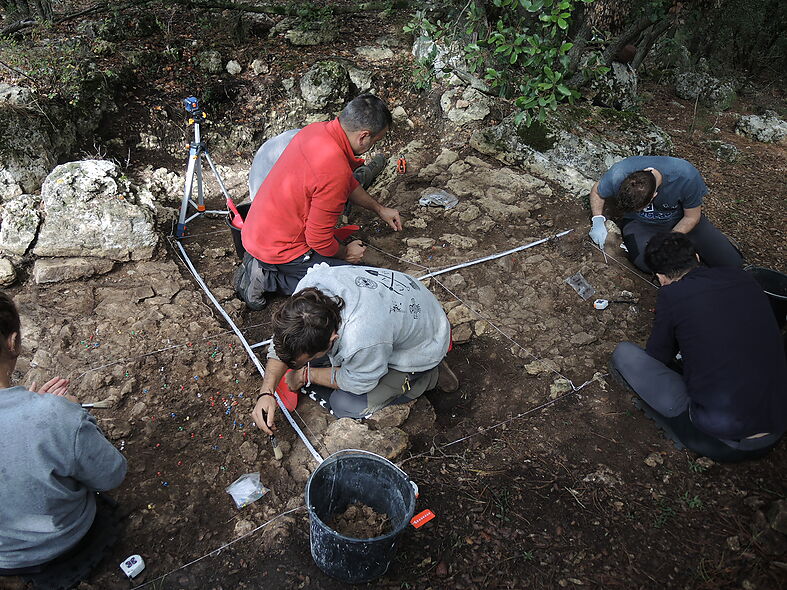
The excavation at the Cantacorbs site (Rojals-Montblanc) will make it possible to date the Neolithic occupations in the Prades mountains
News
They find Neolithic habitat structures in Catalonia
This website uses its own and third-party cookies to improve the browsing experience as well as for analysis tasks.
What are cookies?
A cookie is a small file stored on the user's computer that allows us to recognize it. The set of cookies help us improve the quality of our website, allowing us to monitor which pages are useful to the website users or and which are not.
Acceptance of the use of cookies.
Necessary technical cookies
Always active
Technical cookies are absolutely essential for the website to work properly. This category only includes cookies that guarantee the basic functions and security functions of the website. These cookies do not store any personal information.
Analytic cookies
All cookies that may not be particularly necessary for the website to function and are used specifically to collect personal data from the user through analysis, ads and other embedded content are called unnecessary cookies. You must obtain the user's consent before running these cookies on your website.