


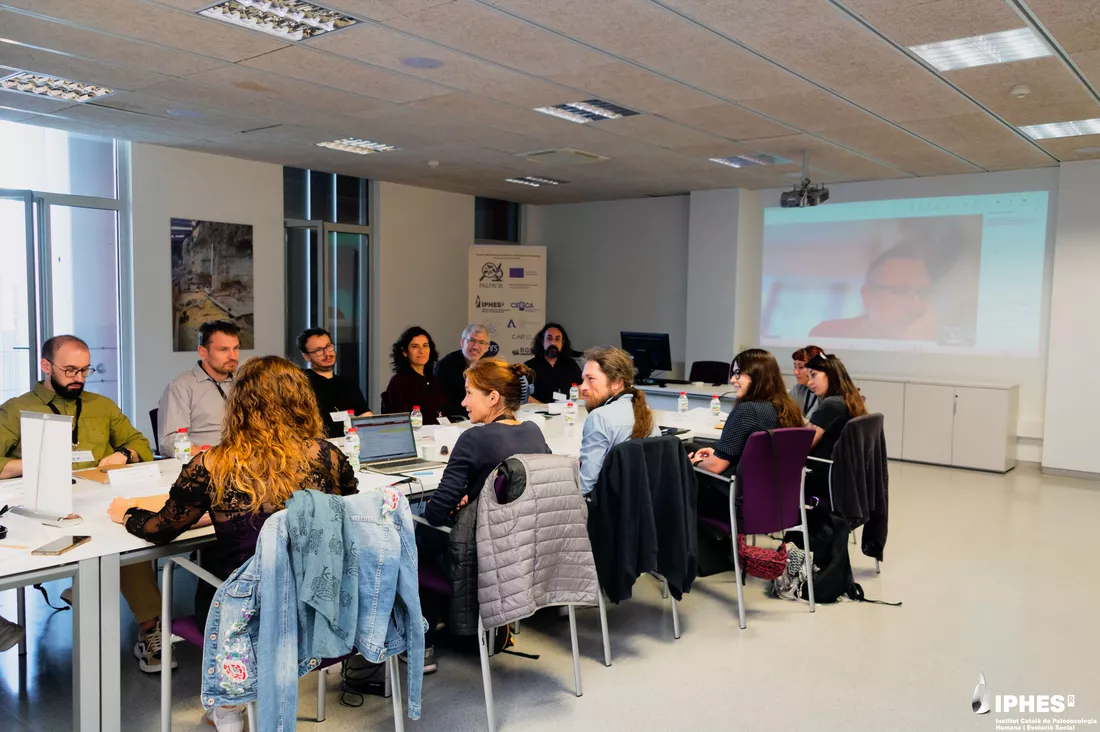
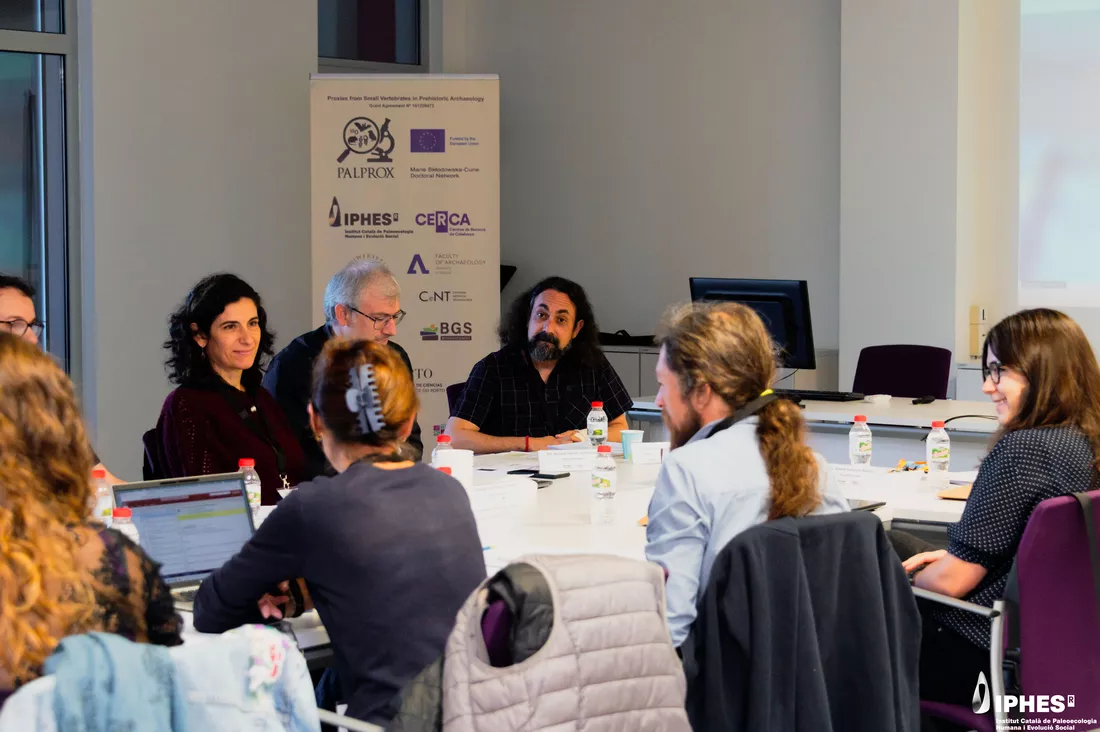
The European programme, led by IPHES-CERCA, will train new experts in climate change and biodiversity, focusing onprehistoric small vertebrates
The European Committee has granted 2.5 million euros to fund the PALPROX project, which will establish an international Doctoral Network to train 9 PhD students in the use of microfauna as paleoenvironmental proxies
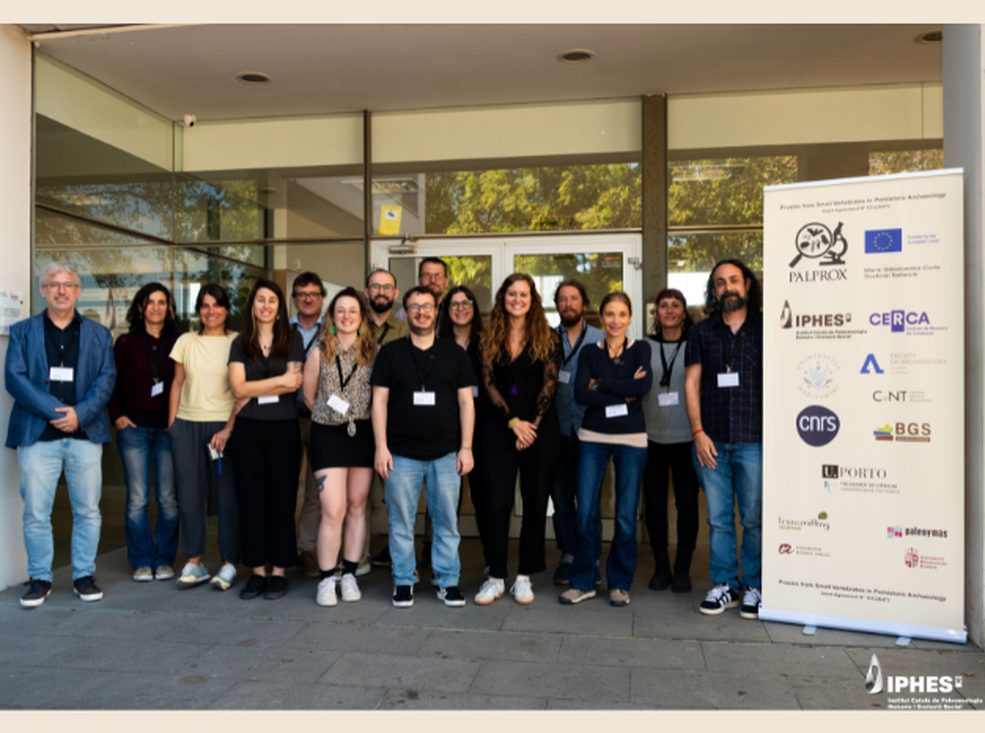
The Institut Català de Paleoecologia Humana I Evolució Social (IPHES-CERCA) will coordinate the European Project PALPROX (“Proxies from Small Vertebrates in Prehistoric Archaeology”), an international Doctoral School funded by the prestigious Marie Skłodowska-Curie Actions – Doctoral Networks (MSCA-DN). The four-year programme supported by 2.5 million euros, aims to train a new generation of researchers able to understand the past and face current challenges, such as climate change and biodiversity loss.
An international Doctoral school with 9 pre-doctoral scholarships
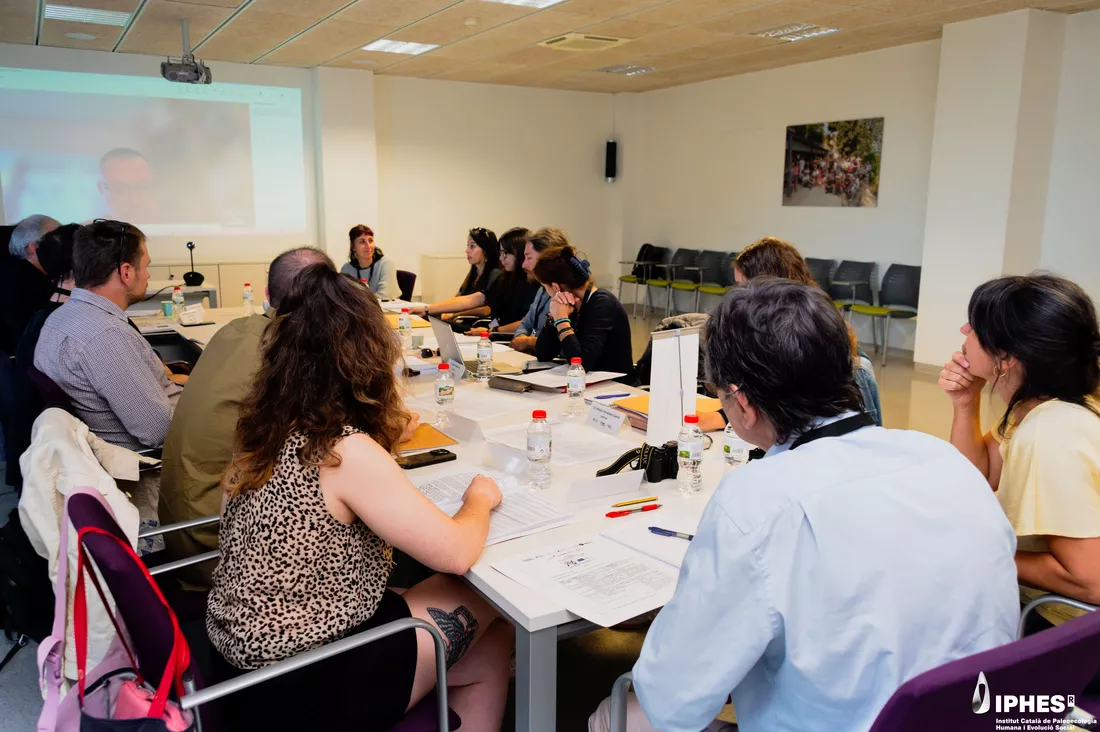
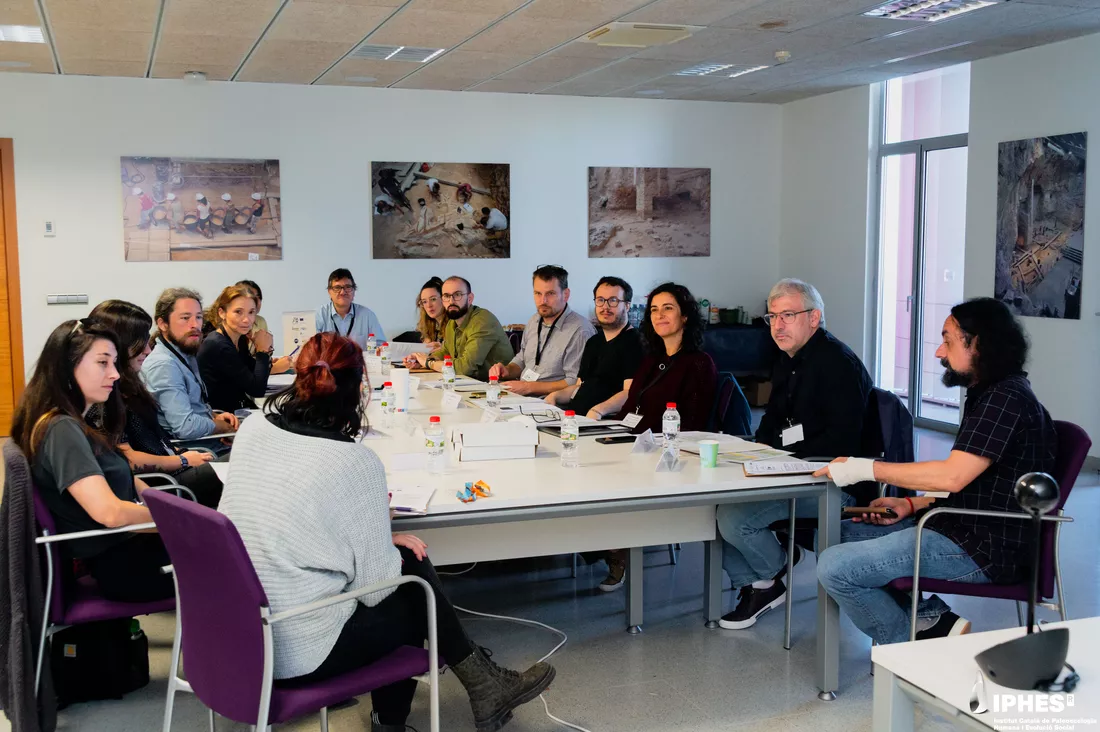
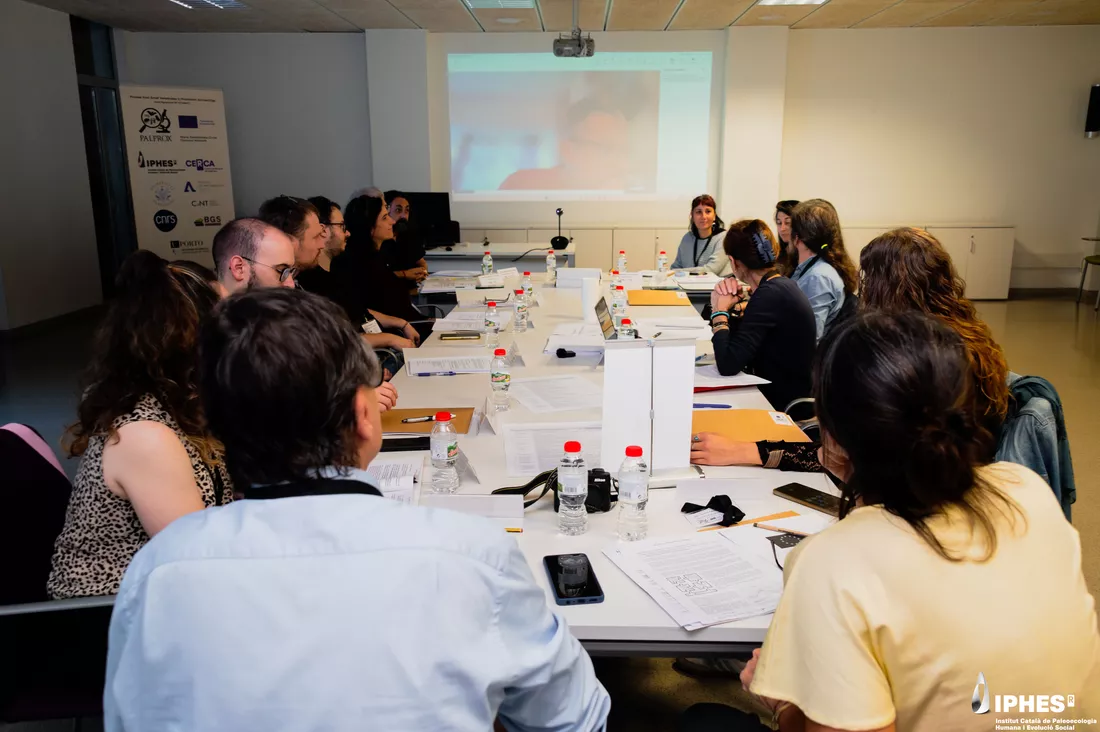
PALPROX will offer 9 predoctoral contracts for young researchers from around the world. Each student will develop an Individual Research Project leading to a doctoral degree under the supervision of an international team and will undertake research secondments at various research institutions from the consortium.
The project is coordinated by Dr Juan Manuel López-García (IPHES-CERCA and Universitat Rovira i Virgili) and involves a consortium of leading institutions in the field: CNRS-UBE-EPHE UMR-6282 (France), University of Warsaw (Poland) and University of Porto (Portugal). Associated partners include academic institutions – such as University Rovira I Virgili and Université of Bourgogne Europe, and non-academic organisations, like Transmitting Science and Paleoymás, which will contribute to the interdisciplinary training and professional development of the PhD candidates.
Small animals, great answers for climate change
The program focuses on the study of small vertebrates from the Late Pleistocene (birds, rodents or bats), which are particularly sensitive to environmental variations due to their low mobility and restricted habitat ranges.
The research projects will combine classical methods (osteology and taxonomy) with cutting-edge techniques (geometric morphometrics, oxygen isotopes, ancient DNA, Geographical Information Systems, MaxEnt, Synthetic-aperture Radar and remote sensing data) to reconstruct palaeoenvironmental changes and past extinction processes, which can provide valuable insights for modern biodiversity and conservation.
“Small vertebrates are like sentinels of climate change: their fossil remains give us very precise information about past ecosystems and help us understand extinction mechanisms that still affect biodiversity today“, explains Dr Juan Manuel López-García, Scientific Coordinator of PALPROX.
A unique opportunity for a new generation of researchers
Beyond scientific research, PALPROX will promote transversal training and career development for PhD candidates. The programme will include summer schools, workshops, seminars and personal mentorships, covering key skills such as scientific communication, knowledge transfer, innovation and ethics in research.
“With PALPROX, IPHES-CERCA continues to strengthen its international dimension and to connect human evolution and archaeology with the major social challenges of our time”, says Dr Marina Mosquera, Director of IPHES-CERCA.
At the same time, according to Dr Carlos Lorenzo, coordinator of the Doctoral School at Universitat Rovira i Virgili, “the Doctoral Network PALPROX will attract talented predoctoral students, which will benefit the Doctoral Programme Quaternary and Prehistory from the URV, in which IPHES-CERCA also contributes.
European recognition at the highest level
The Marie Skłodowska-Curie Actions – Doctoral Networks (MSCA-DN) are among the most prestigious European programmes for the training of early-stage researchers. In the past edition, the European Committee awarded more than 600 million euros to fund 149 international doctoral programs.
The granting of PALPROX reinforces IPHES-CERCA as a leading centre for research and training at the European level and establishes Tarragona as a key hub for climate change and biodiversity research from an archaeological and paleoecological approach.