


Atapuerca concludes a new excavation season with additional Homo antecessor fossils and major discoveries across its sites
The 2026 field season has also yielded significant new findings at Sima del Elefante, Galería, Cueva Fantasma and El Mirador, further strengthening Atapuerca’s position as one of the world’s leading research sites for the study of human evolution
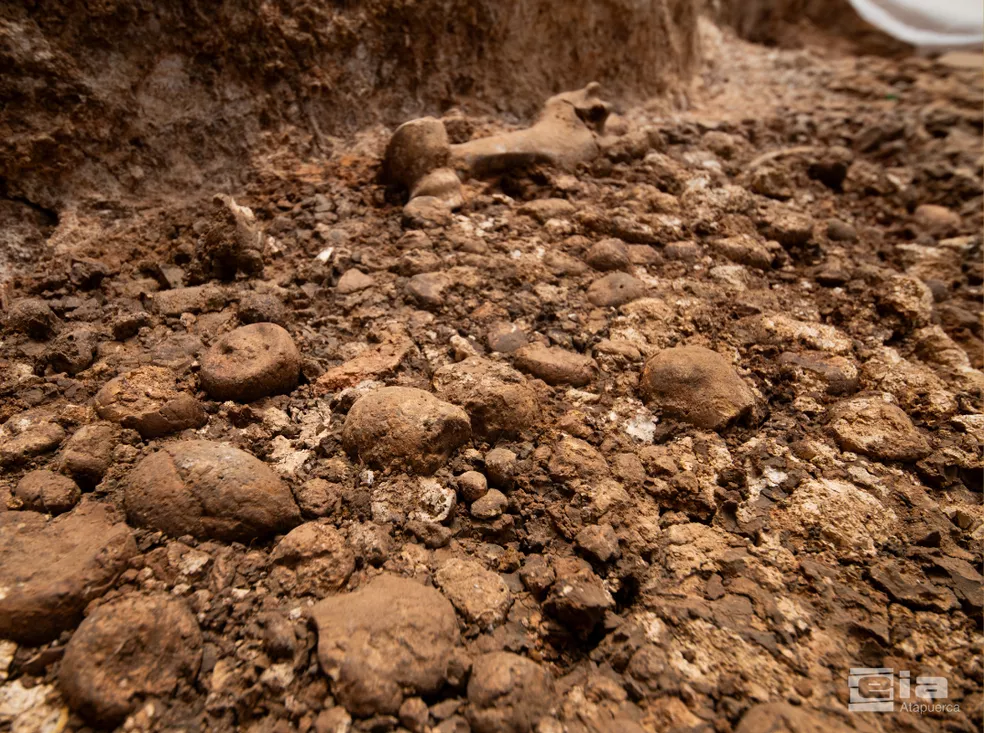
Excavations in the TD6.2 unit of Gran Dolina have uncovered at least 24 new human fossils attributed to Homo antecessor, adding to one of Europe’s most important Lower Pleistocene paleoanthropological collections
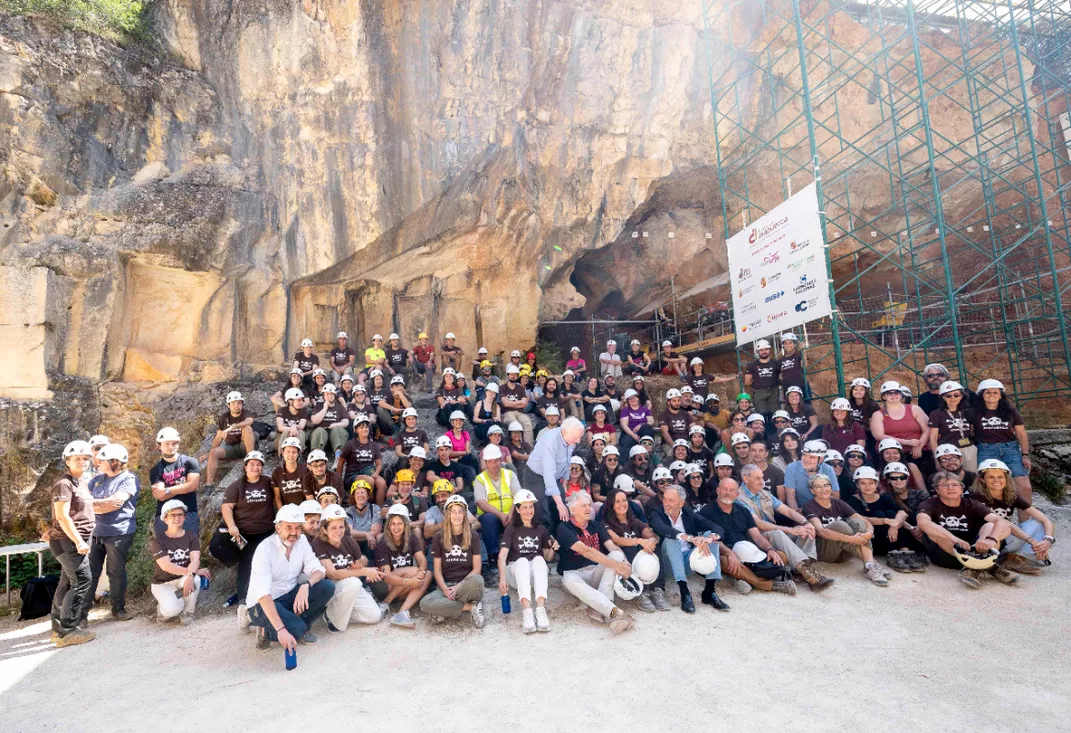
The 2026 excavation season at the Sierra de Atapuerca archaeological complex (Burgos, Spain) concluded today after more than a month of fieldwork involving over 300 researchers from national and international institutions. The Catalan Institute of Human Paleoecology and Social Evolution (IPHES-CERCA) played a leading role in the campaign, with nearly 120 researchers, technicians and students from the Erasmus Mundus Master’s Programme in Quaternary Archaeology and Human Evolution at Rovira i Virgili University.
IPHES-CERCA coordinated excavations at the Gran Dolina, Sima del Elefante, Galería, Cueva Fantasma and El Mirador sites, as well as the sediment washing and sorting programme carried out on the banks of the Arlanzón River.
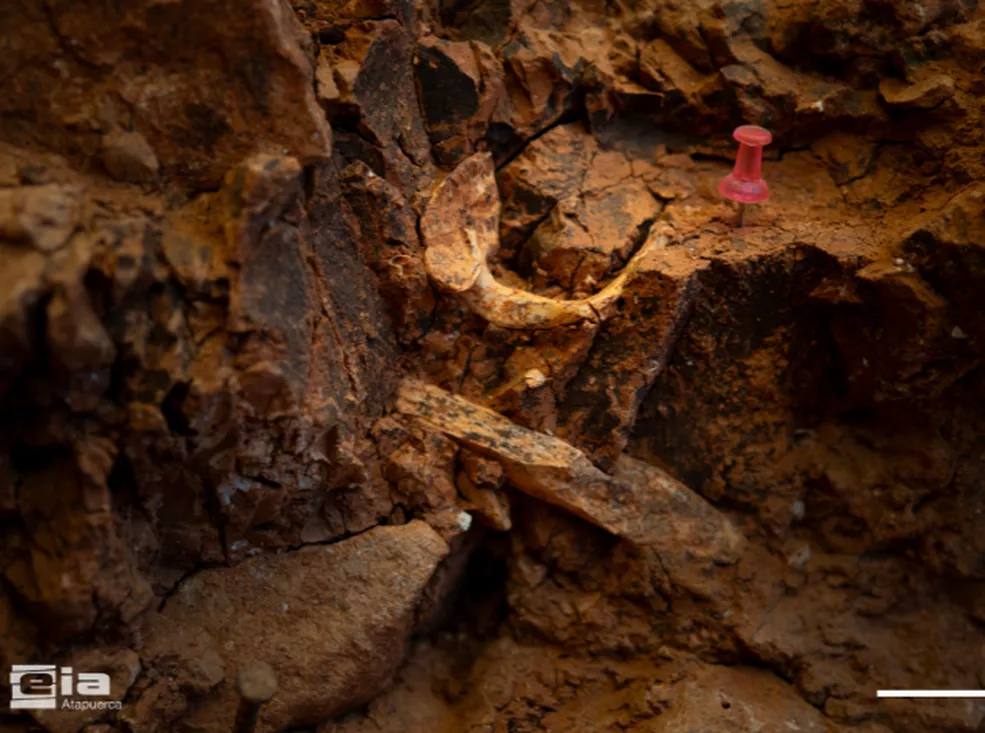
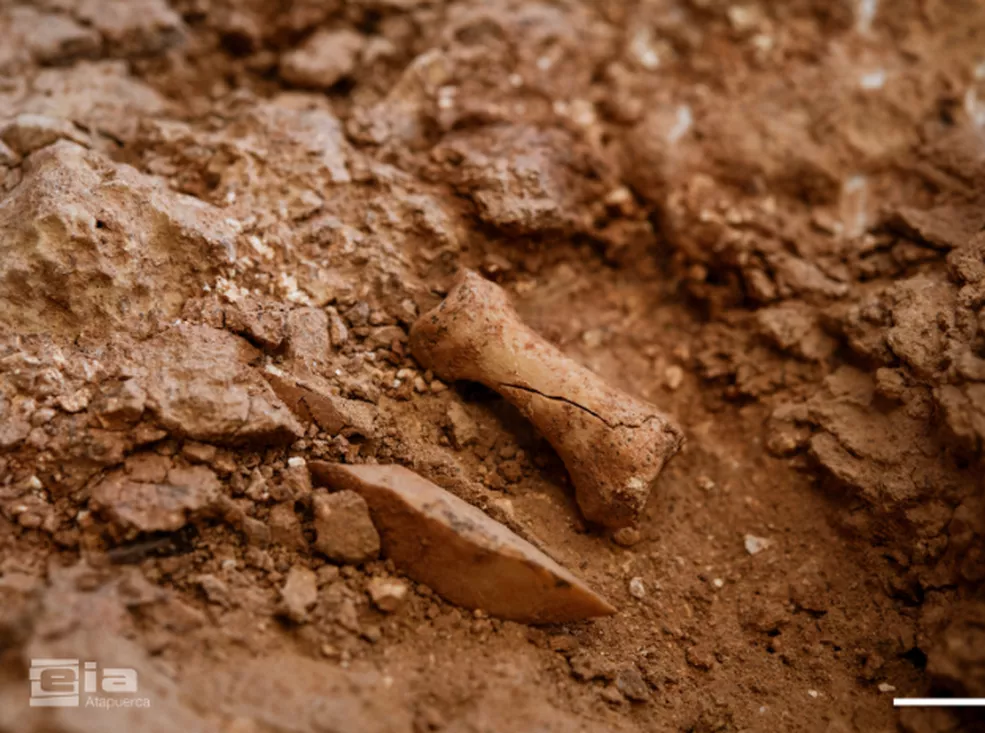
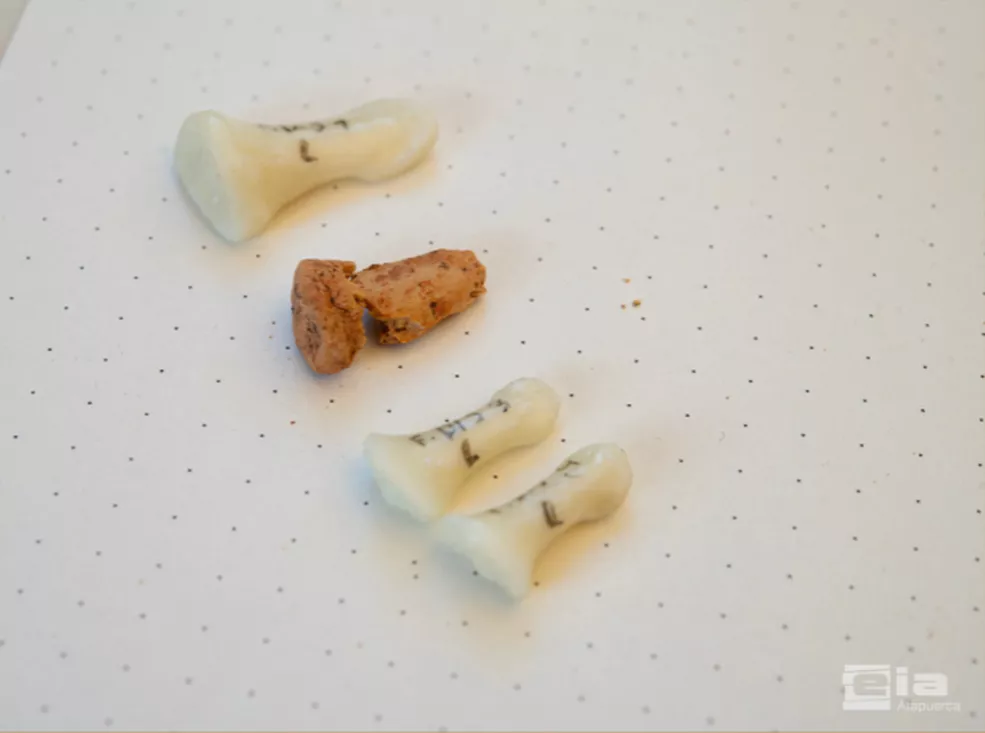
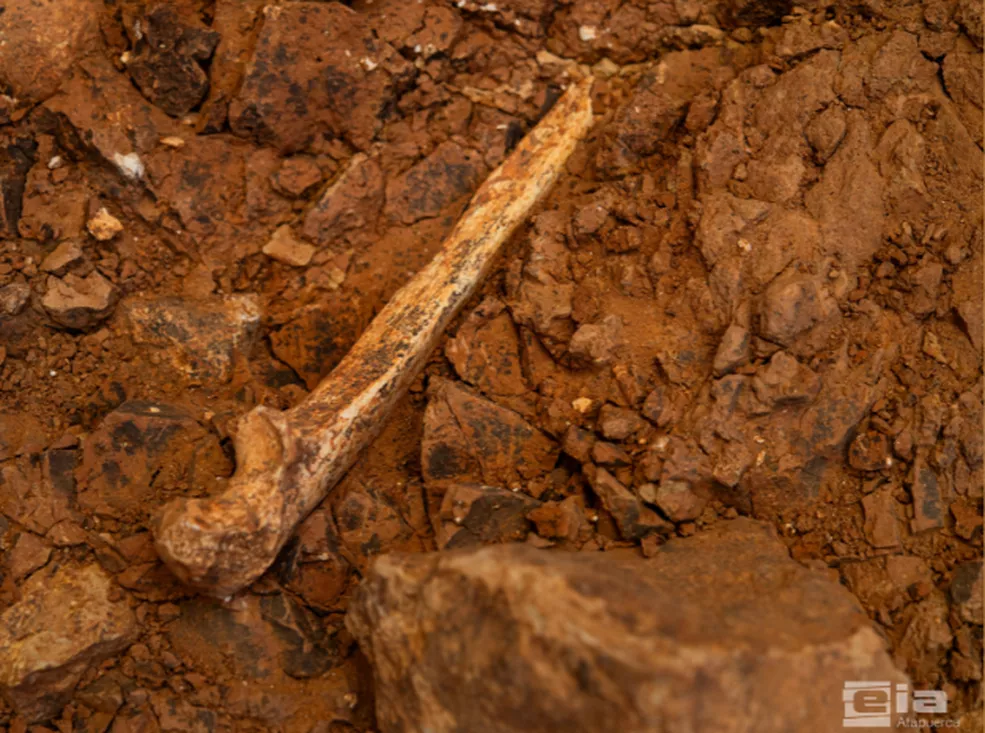
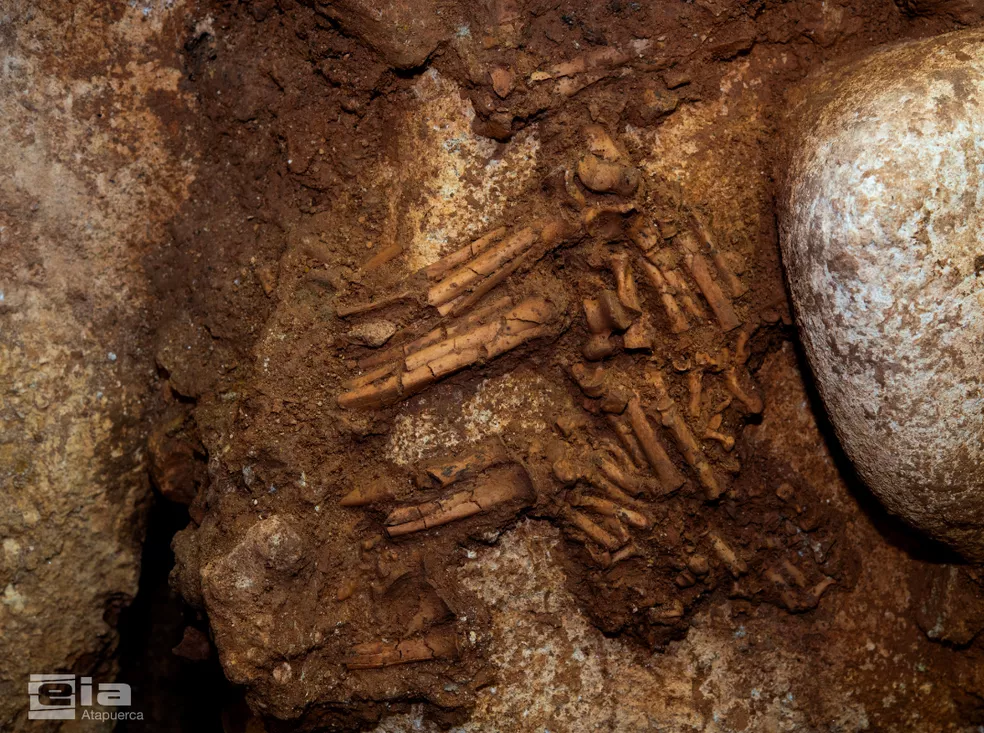
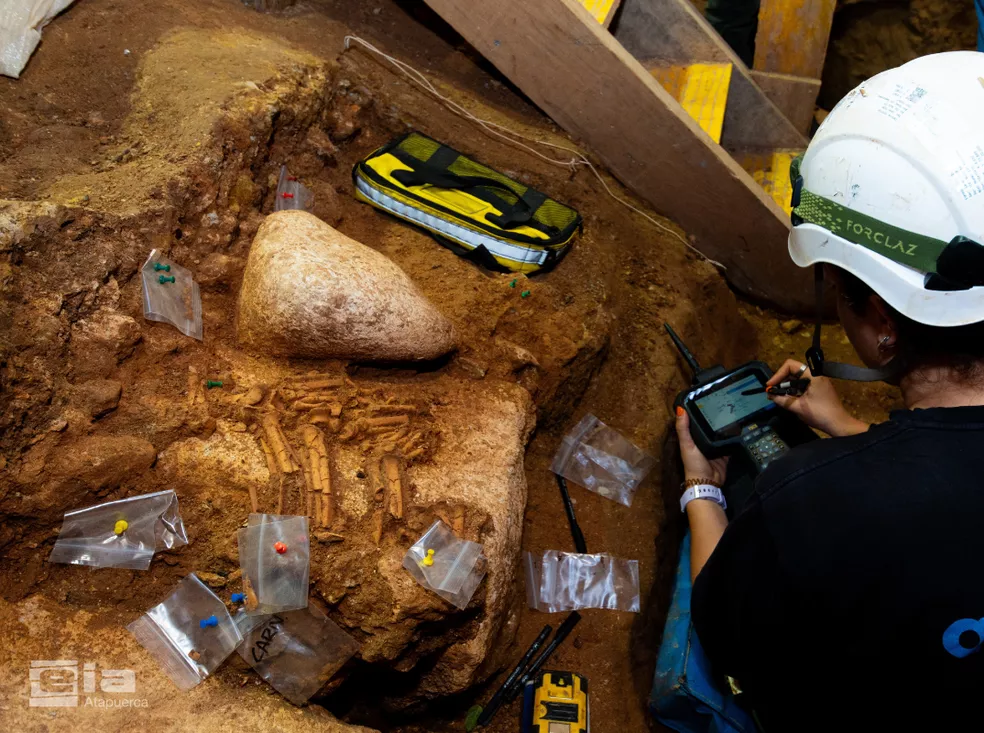
Among the season’s most significant discoveries is the recovery of at least 24 new human fossils attributed to Homo antecessor from the Aurora Stratum (TD6.2) at Gran Dolina, dated to approximately 850,000 years ago. The newly recovered material includes cranial fragments, vertebrae, phalanges, teeth and several long bones, some bearing cut marks associated with the butchering of human bodies, providing further evidence of the cannibalistic practices previously documented at this level. The excavation has also yielded new fossils belonging to adult individuals, a particularly rare component of the Homo antecessor assemblage that opens new opportunities for investigating the anatomy and biology of this human species.
These discoveries reinforce Gran Dolina’s status as one of the world’s key sites for understanding the earliest human settlement of Europe. More than three decades after excavations began, the site continues to produce an exceptional combination of human fossils, stone tools and faunal remains that allows researchers to reconstruct the lives of Europe’s earliest inhabitants in remarkable detail.
The 2026 campaign also marks the second field season under the new co-directorship of the Atapuerca Research Project, led by Dr Marina Mosquera and Dr Andreu Ollé (IPHES-CERCA and Rovira i Virgili University), Dr María Martinón-Torres and Dr Alfonso Benito (CENIEH), and Dr José Miguel Carretero (University of Burgos) together with Dr Ignacio Martínez Mendizábal (University of Alcalá). The team consolidates a collegiate leadership model that ensures the continuity of one of the world’s most influential human evolution research projects.
HIGHLIGHTS FROM THE 2026 EXCAVATION SEASON
The 2026 field season took place at Gran Dolina, Sima del Elefante, Galería, Cueva Fantasma and El Mirador, as well as at the Arlanzón River sediment washing facilities. Excavations across all sites coordinated by IPHES-CERCA produced important new results spanning from the Lower Pleistocene to the Neolithic, further consolidating Atapuerca as one of the world’s leading research centres for the study of human evolution.
Railway Trench sites
Gran Dolina (TD6)
Co-directed by Dr Palmira Saladié (IPHES-CERCA) and Dr Andreu Ollé (IPHES-CERCA).
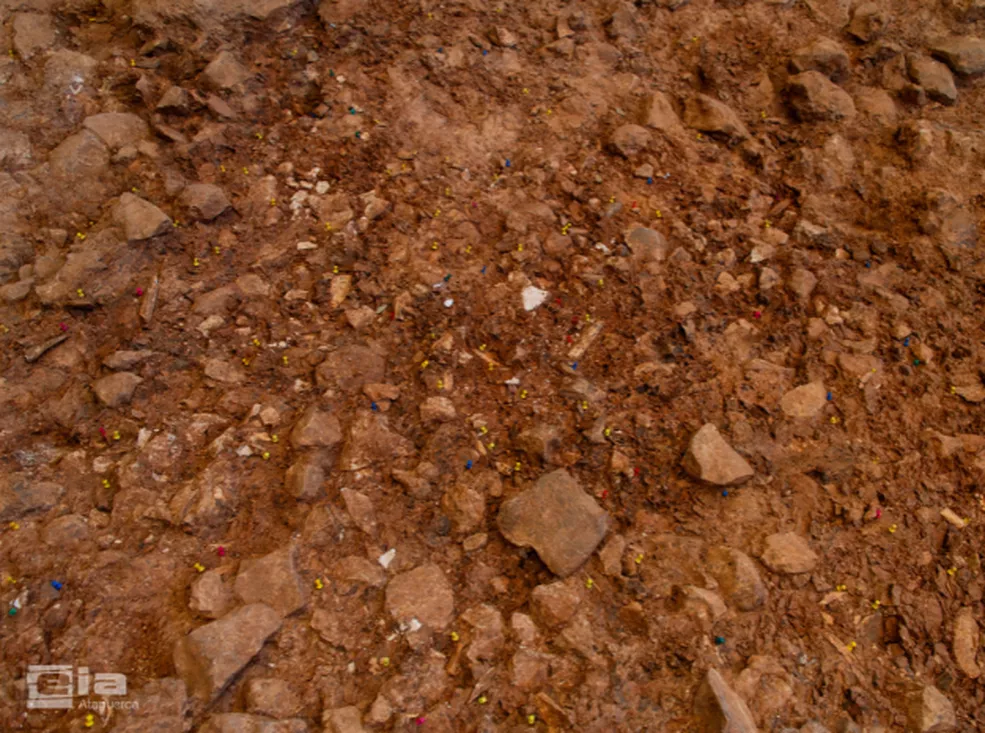
The 2026 excavation season resumed fieldwork in the Aurora Stratum (TD6.2) at Gran Dolina, one of Europe’s most iconic paleoanthropological deposits for the study of human evolution. Although excavation this year focused on only part of the upper section of the level, the results once again demonstrate its extraordinary scientific potential, more than three decades after work at the site first began.
Within the first few days of excavation, researchers had already recovered four human fossils, confirming the exceptional richness of the deposit. By the end of the campaign, the team had unearthed at least 24 new human fossils attributed to Homo antecessor.
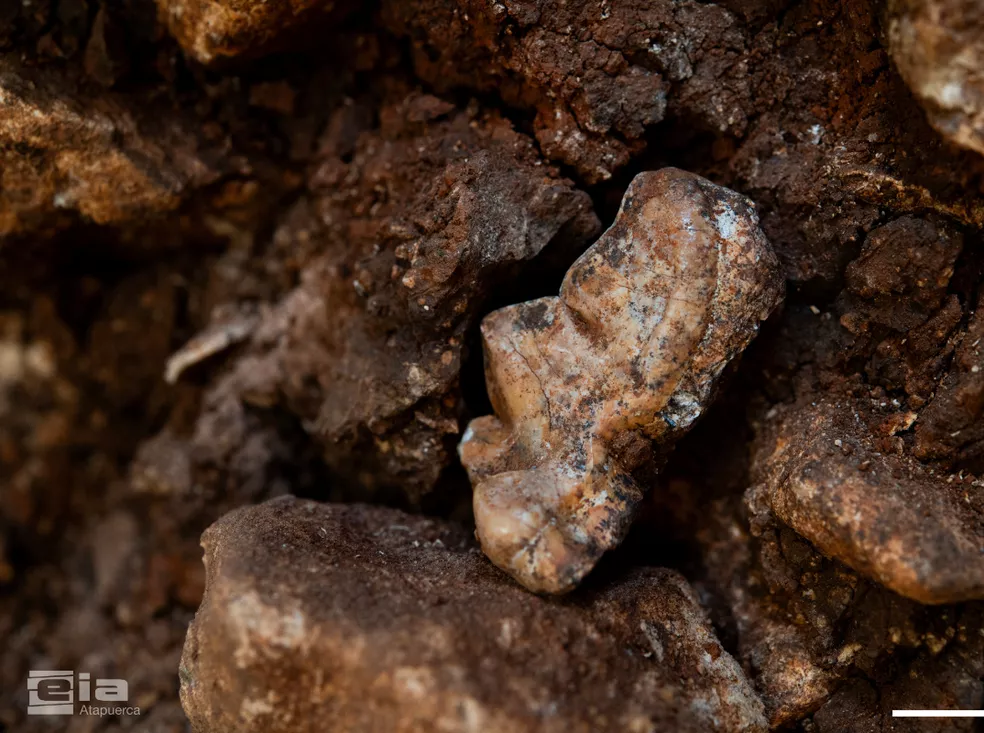
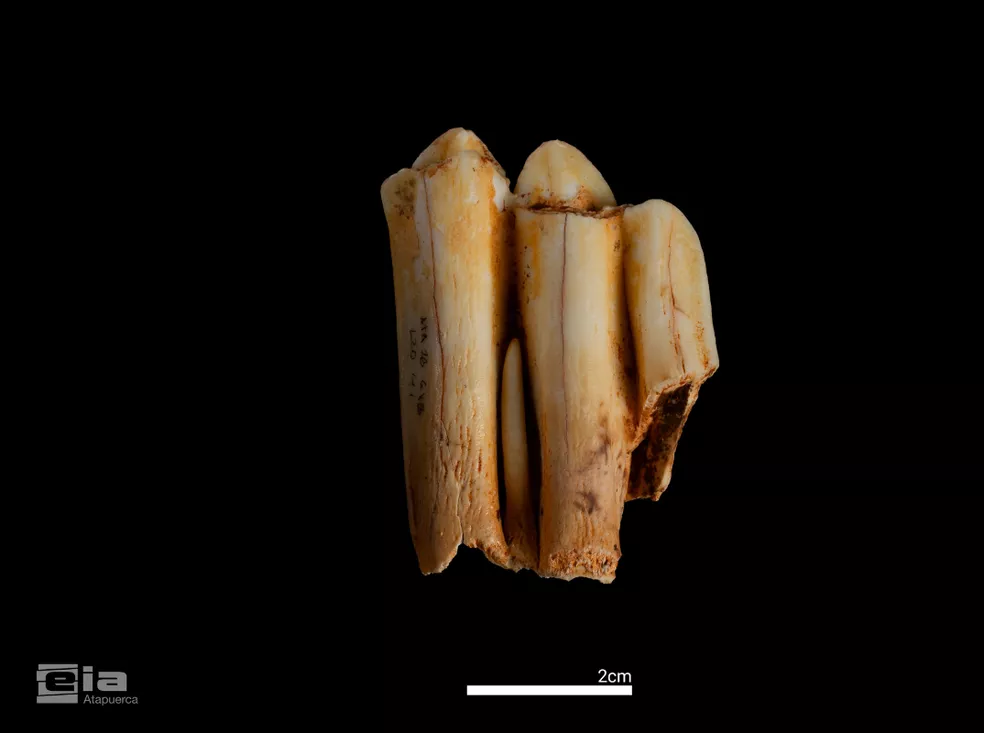
The newly recovered material includes part of a temporal bone, cervical and lumbar vertebrae, hand and foot phalanges, three teeth and several long bones, including an ulna together with fragments of tibia, femur and humerus. Several of these fossils preserve cut marks produced during the processing of human bodies, providing new evidence of the cannibalistic behaviour documented at this level around 850,000 years ago.
One of the most significant outcomes of this year’s campaign is the recovery of additional remains belonging to adult individuals. Until now, adults were scarcely represented within the Homo antecessor assemblage, which is dominated by juvenile and immature individuals. The teeth recovered this season have provisionally identified a new adult individual, increasing the minimum number of individuals represented at TD6.2 to between 12 and 15, a figure that will be refined as specialist analyses continue.
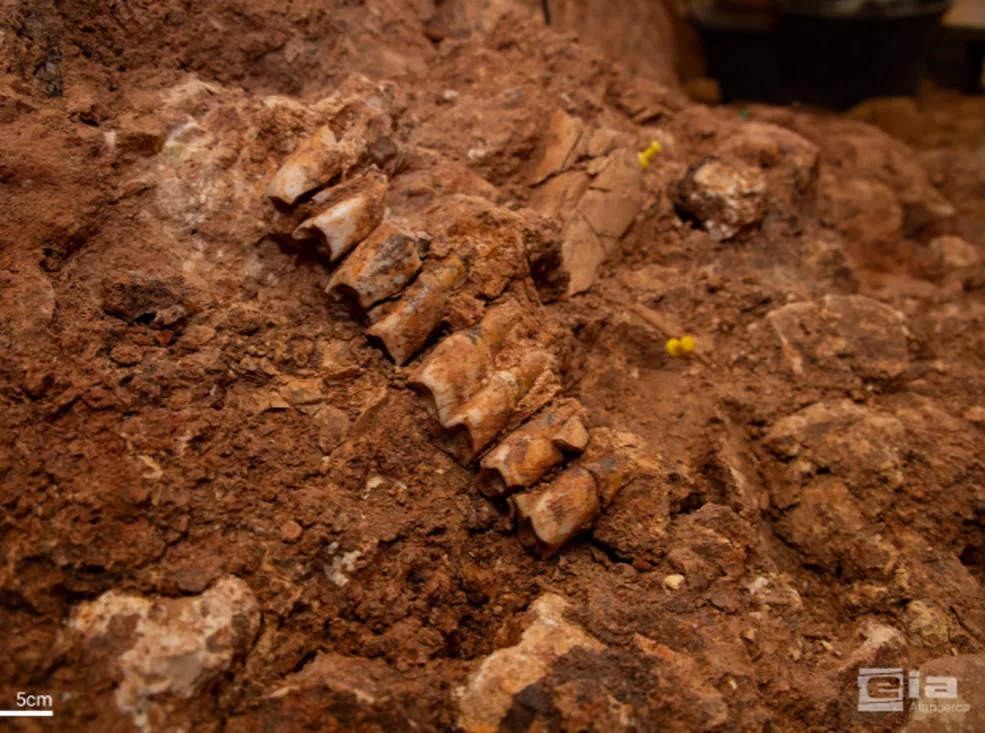
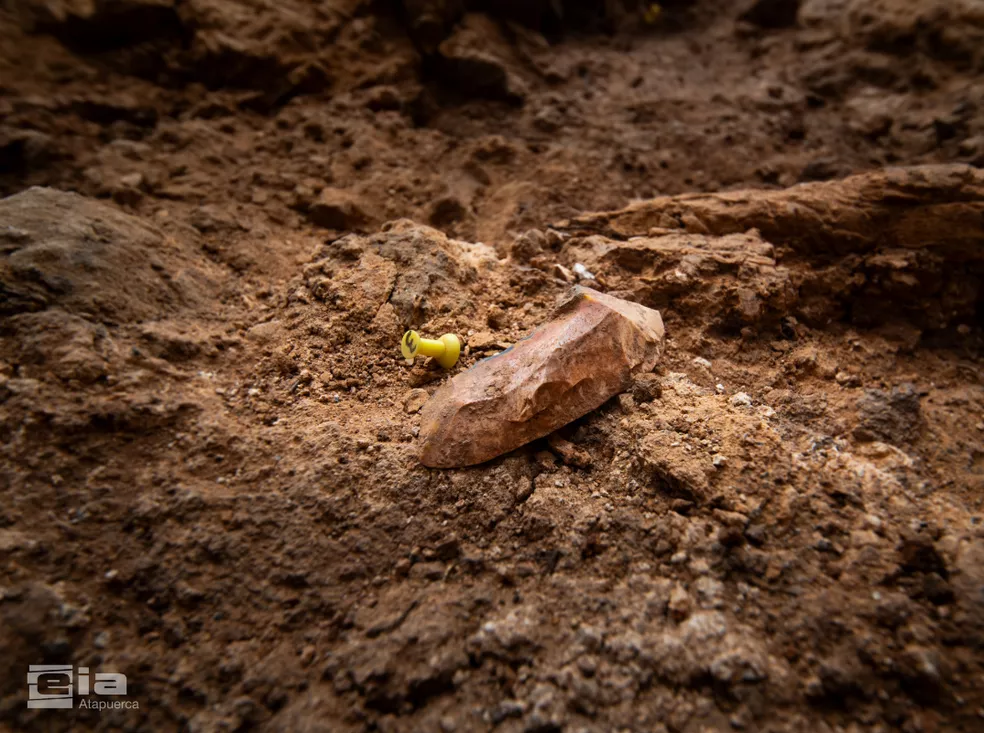
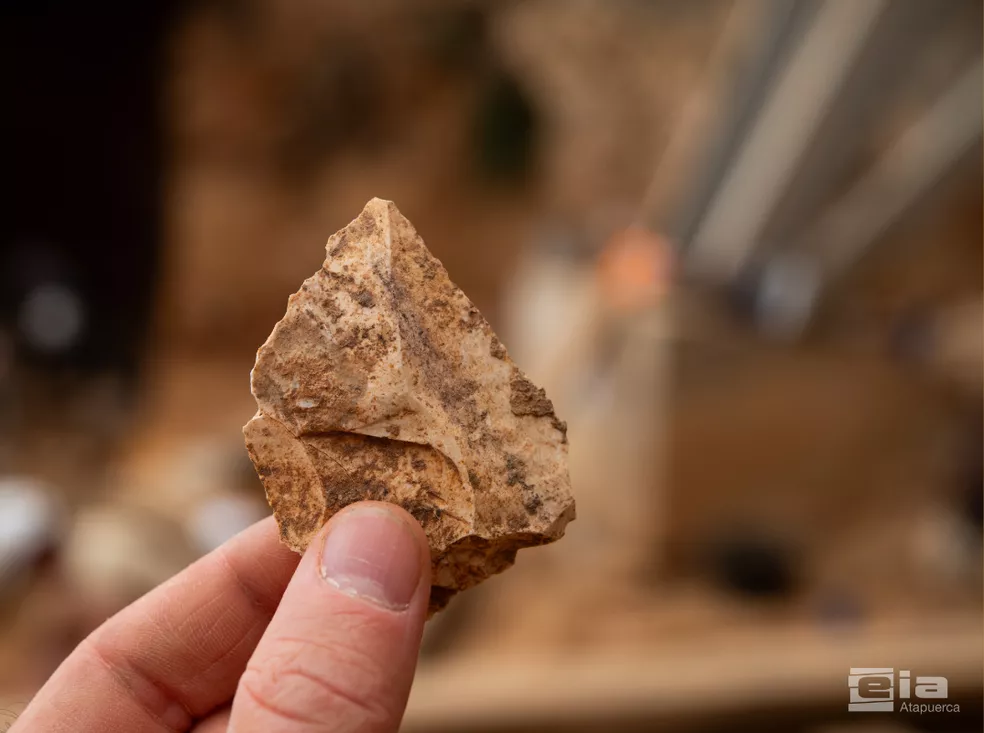
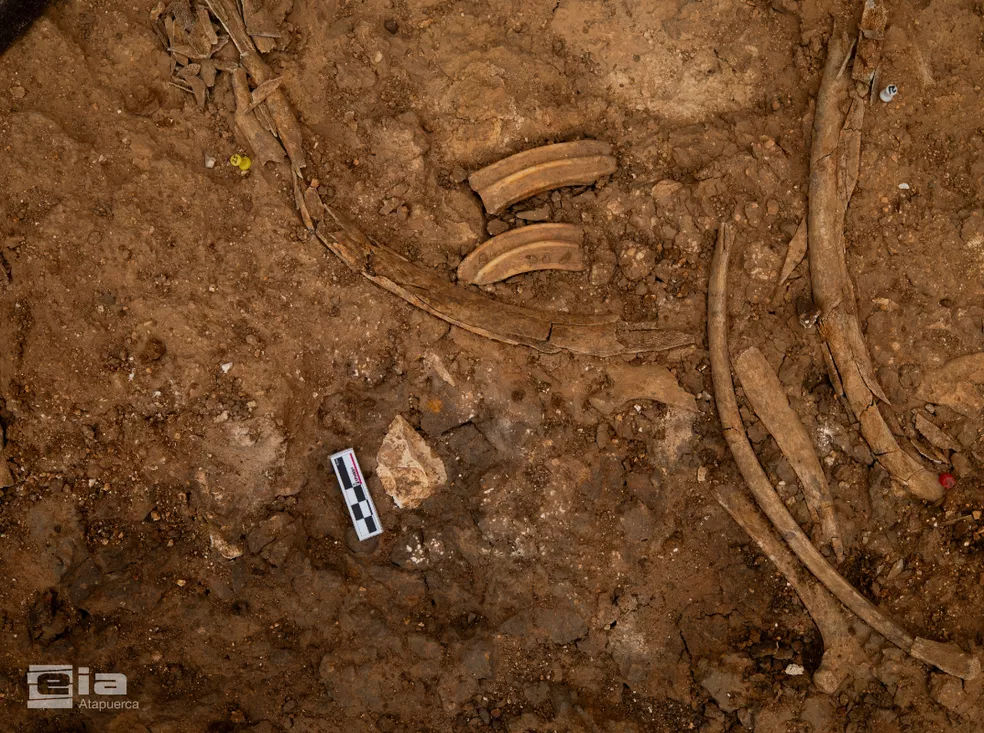
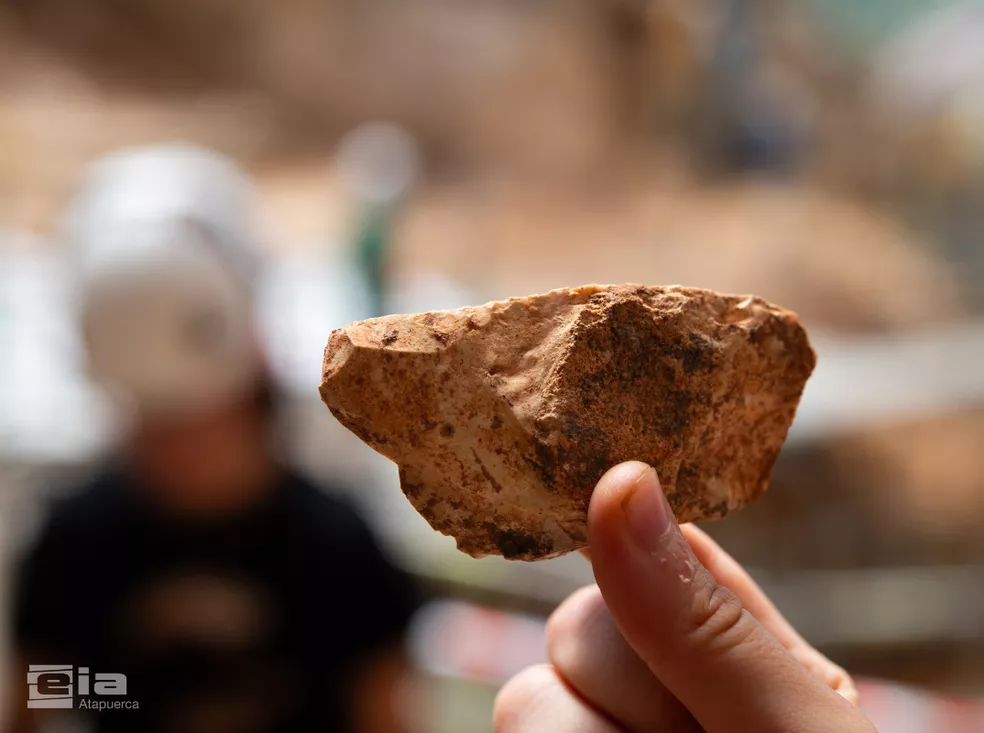
Alongside the human fossils, archaeologists recovered a rich assemblage of stone tools manufactured from flint, quartzite, sandstone and quartz, together with numerous faunal remains belonging to hyena, beaver, deer, bovids, horse and rhinoceros. Together, these remains provide valuable information about the paleoecological environment inhabited by these human groups and the context in which the cannibalistic episodes recorded at the site took place.
The exceptional combination of human fossils, lithic technology and faunal remains continues to make Gran Dolina one of the world’s key reference sites for investigating the biology, behaviour and lifeways of the earliest Europeans.
Despite the importance of Homo antecessor for understanding the first human populations to settle Europe, the highly fragmented nature of its fossil record has long limited our knowledge of its anatomy. Every new fossil recovered therefore represents a unique opportunity to improve our understanding of the anatomy, growth and biology of these Early Pleistocene hominins. More than thirty years after excavations began, Gran Dolina continues to deliver discoveries of outstanding scientific importance.
Sima del Elefante
Co-directed by Dr Rosa Huguet (IPHES-CERCA) and Dr Xosé-Pedro Rodríguez (Rovira i Virgili University and IPHES-CERCA).
The 2026 excavation season at Sima del Elefante produced highly positive results following work in levels TE7 and TE6, both dated to more than 1.2 million years ago. Excavation at TE6, the oldest level identified at the site to date, covered a relatively small area of around 4 square metres but nevertheless yielded several important paleontological remains, including an almost complete postcranial skeleton of a lynx and several turtle remains.
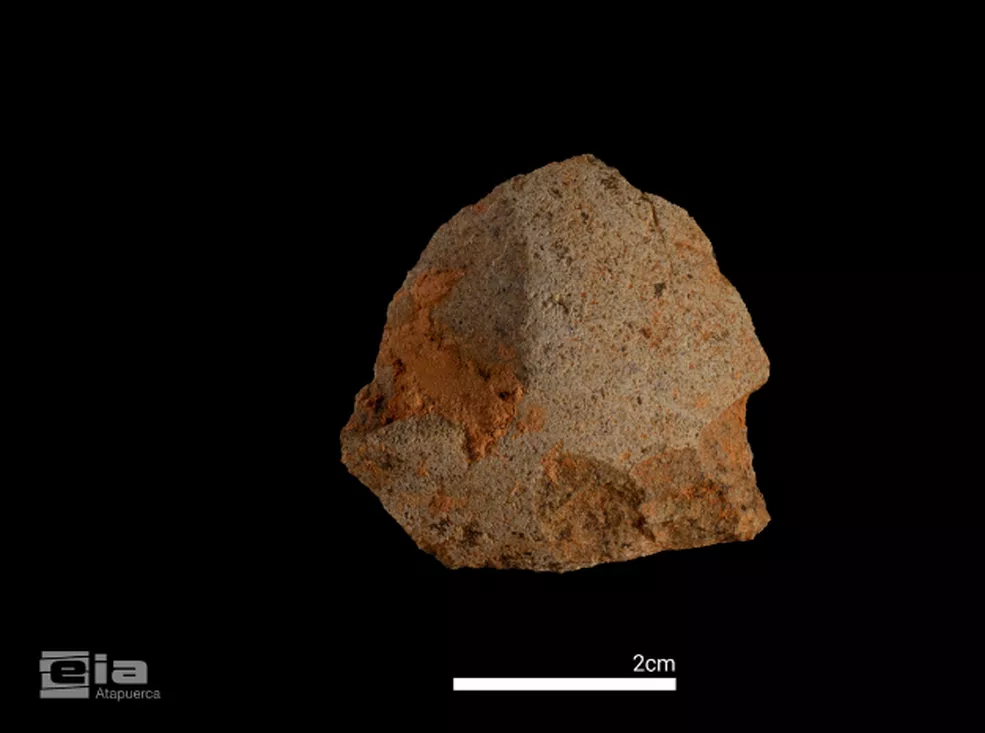
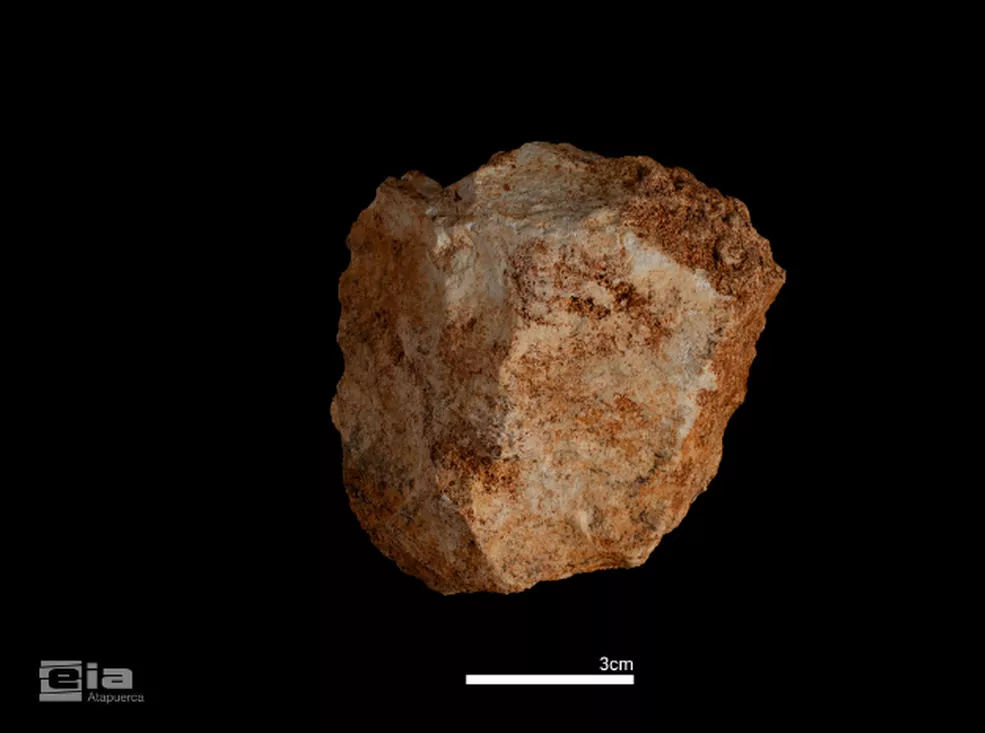
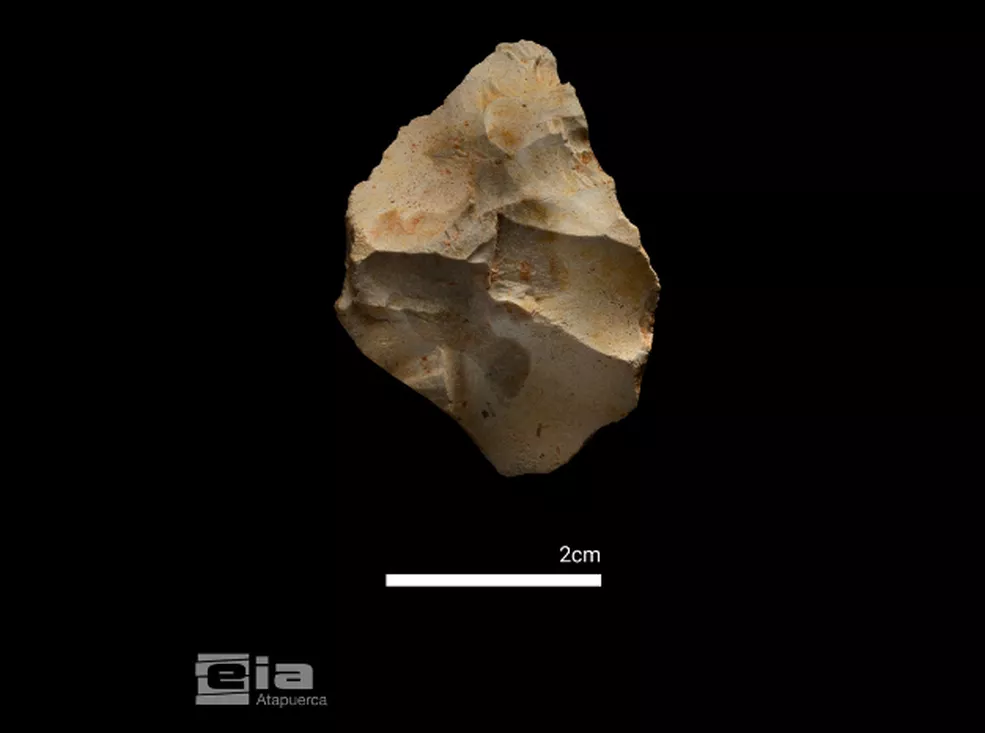
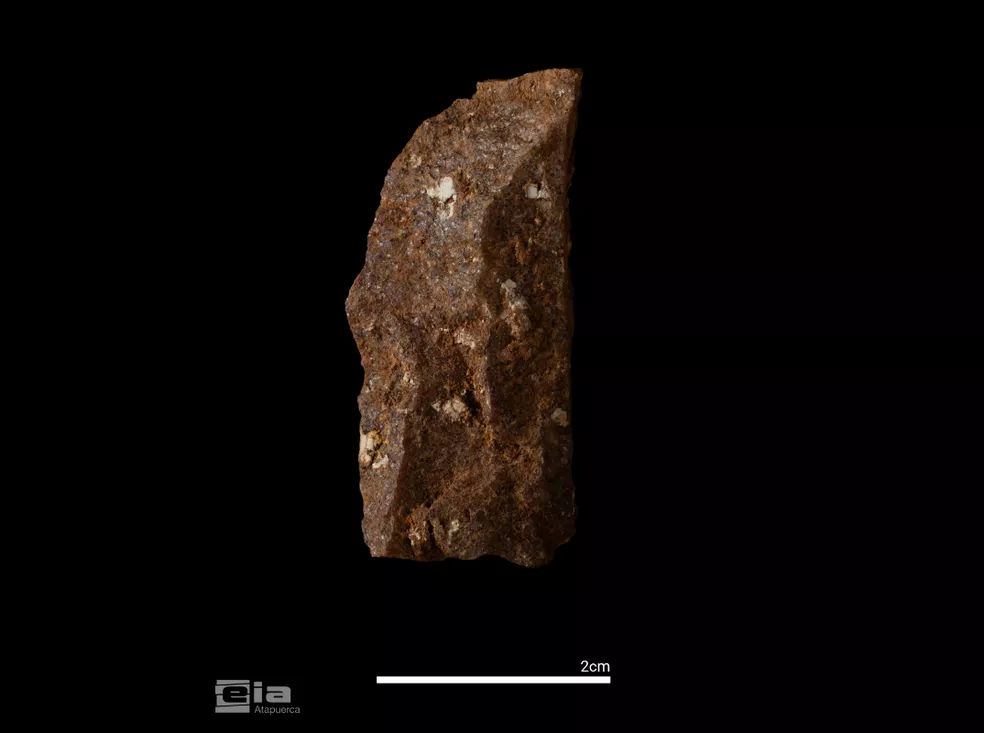
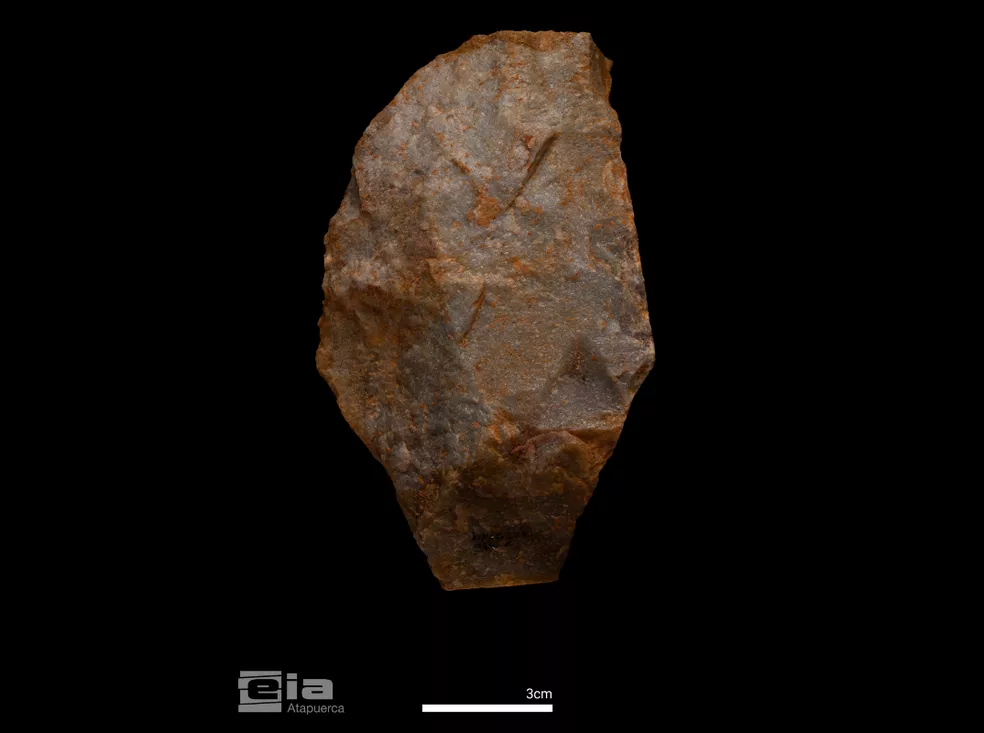
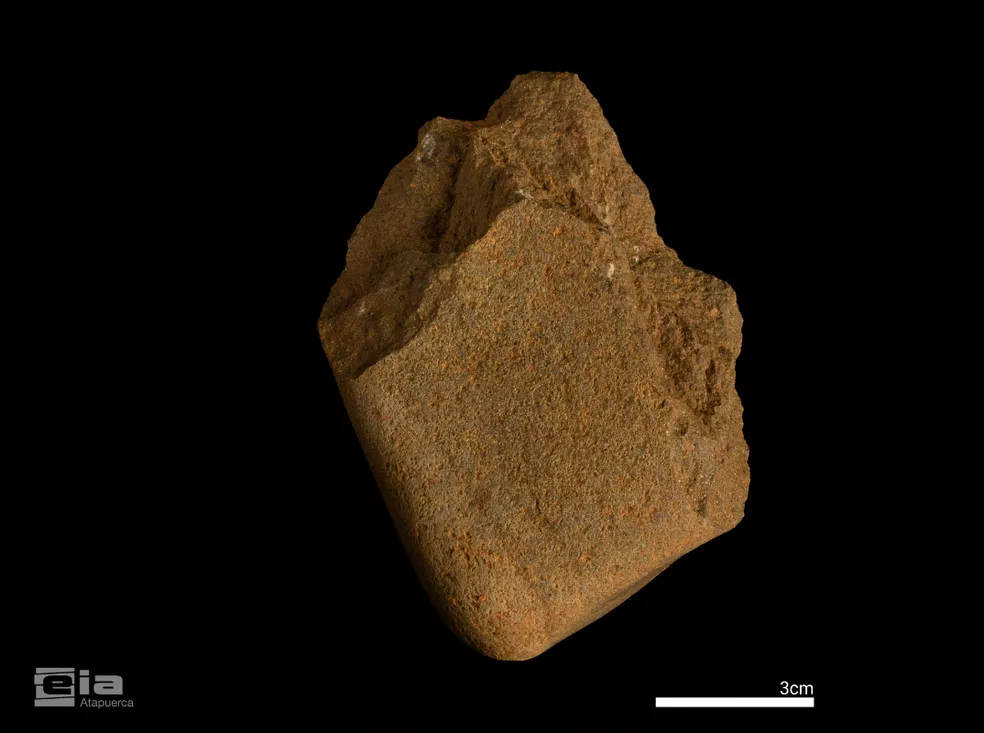
Work at TE7, where nearly 20 square metres were excavated, produced abundant faunal remains belonging to species such as fallow deer, lynx and eagle, together with clear evidence of human activity. Researchers recovered 13 stone tools manufactured from a variety of raw materials, including flint, quartz, limestone and quartzite.
These discoveries confirm the wide range of lithic resources exploited by the earliest human groups to occupy the Sierra de Atapuerca and contribute to a better understanding of the behaviour of the still poorly known hominin Homo aff. erectus.
Galería
Co-directed by Dr Isabel Cáceres (Rovira i Virgili University and IPHES-CERCA) and Dr Paola García Medrano (National Centre for Research on Human Evolution, CENIEH).
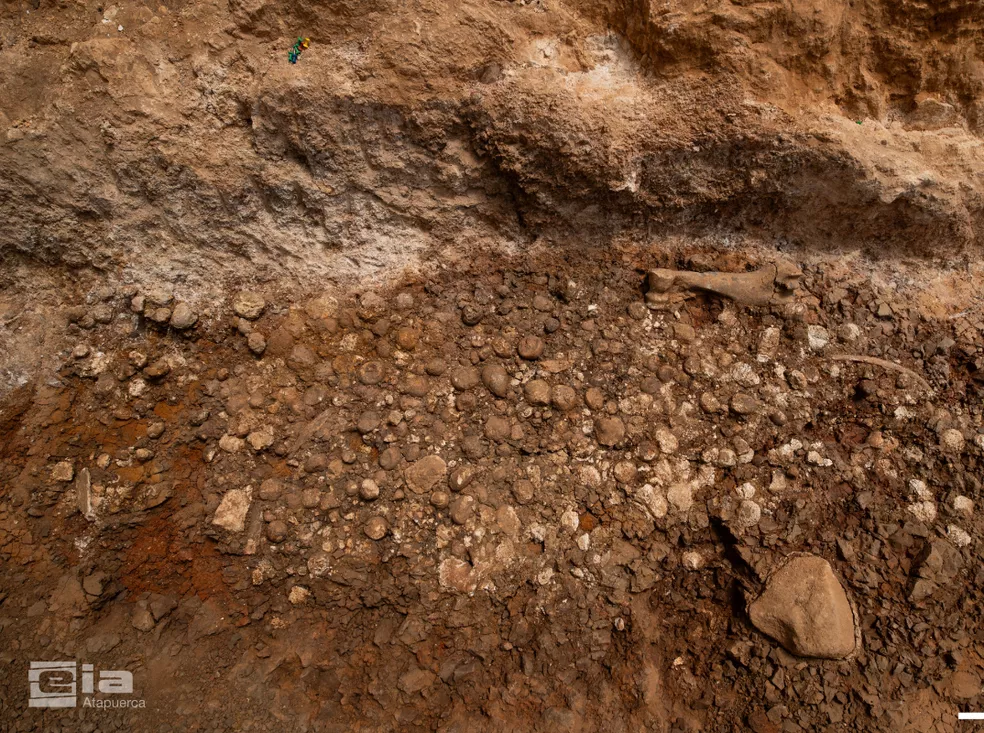
The 2026 excavation season at Galería focused on the GIIb subunit, dated to approximately 300,000 years ago. Excavations yielded more than 900 faunal remains and nearly 50 stone tools, substantially expanding knowledge of human occupations during this period.
The faunal assemblage is dominated by juvenile horse, bison and deer, together with several rhinoceros teeth. One of the most remarkable aspects of this year’s excavation is the high degree of anthropogenic bone fragmentation, resulting in an assemblage composed largely of small bone fragments produced during carcass processing by human groups.
The lithic assemblage is equally significant. It includes a wide variety of tools manufactured from quartzite, sandstone, Neogene flint and Cretaceous flint. Researchers identified large shaped tools, including handaxes and pebble tools, together with small retouched implements and unretouched flakes, reflecting considerable technological diversity.
The archaeological evidence indicates that prehistoric human groups processed and consumed part of the animal carcasses directly at the site, as demonstrated by the deliberate breakage of bones to extract marrow. Overall, the results reinforce the interpretation of Galería as a location where hominins repeatedly exploited animals that had fallen naturally into the cave through its vertical shaft, using it as a predictable source of food resources.
Cueva Fantasma
Co-directed by Dr Josep Vallverdú (IPHES-CERCA).
The 2026 excavation season at Cueva Fantasma focused on two main areas: the Entrance Sector (CF), which preserves evidence of Neanderthal occupations, and Sala Fantasma (SF), where several phases of hyena activity have been documented.
In the Entrance Sector, excavations concentrated on the lower part of level CF24, dated between 70,000 and 100,000 years ago, reaching the top of level CF23. This level yielded a small lithic assemblage, represented by two flint and quartzite knapping products, together with a substantial accumulation of horse remains and numerous carnivore bones, particularly those of hyenas. Several of the recovered bones display intentional fractures produced during marrow extraction, providing further evidence of human activity at the site.
At the nearby Covacha Norte, archaeologists excavated level CF26A, dated between 60,000 and 80,000 years ago, recovering an important assemblage of Quina scrapers and points, confirming an intermittent Neanderthal occupation of the cave.
In Sala Fantasma, the 2026 campaign confirmed that the hyena den extends as far as the northern wall of the cave. Excavation of sublevel SF30A and the upper part of SF30B revealed an exceptional hyena latrine, characterised by an exceptionally high concentration of coprolites. The assemblage includes abundant remains of horse, deer and bovids, together with hyena, lion and other carnivores, representing the most recent occupation of the den, dated between 40,000 and 50,000 years ago.
Finally, work on the stratigraphic trench focused on profiling levels CF23 to CF21. Among these, CF21, dated to the Middle Pleistocene (300,000–350,000 years ago), stands out for its abundant coprolites and hyena remains, together with fossils of bear, rhinoceros and horse.
El Mirador Cave
Co-directed by Dr Ethel Allué (IPHES-CERCA and Rovira i Virgili University) and Dr Josep Maria Vergès (IPHES-CERCA).
The 2026 excavation season at El Mirador Cave focused on extending the test trenches opened on both sides of the cavity. One of the year’s most significant achievements was the identification of the Pleistocene deposits that researchers had been searching for since 2009.
Within these newly reached sediments, the team recovered several knapped flint artefacts together with bird remains identified as corvids, characteristic of this period and potentially corresponding to Upper Palaeolithic deposits previously documented at the site. This discovery opens new prospects for locating the cave’s galleries during future excavation campaigns.
At the same time, archaeologists excavated Neolithic levels, dated between 5,000 and 7,000 years ago, particularly rich in faunal remains—mainly domestic sheep, goats and cattle—as well as archaeological material.
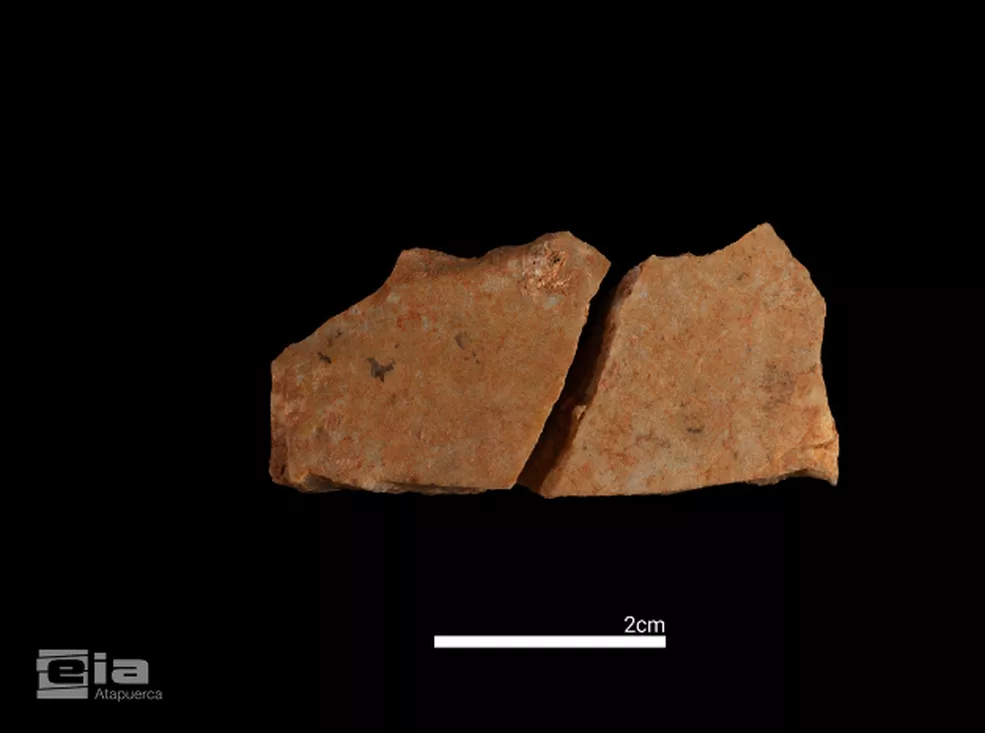
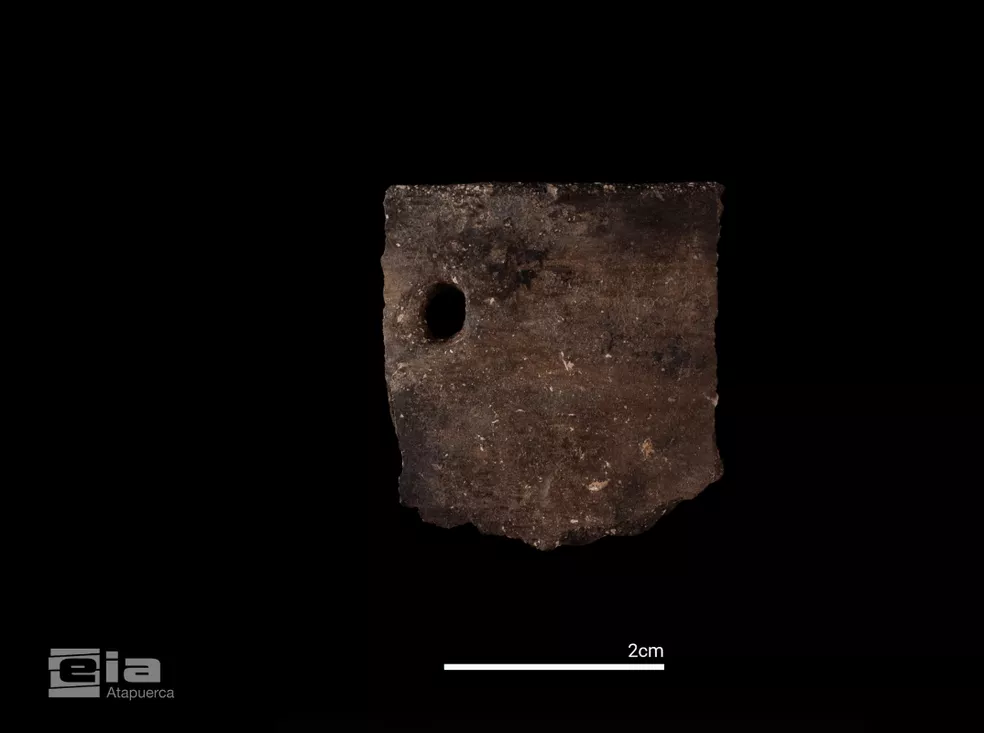
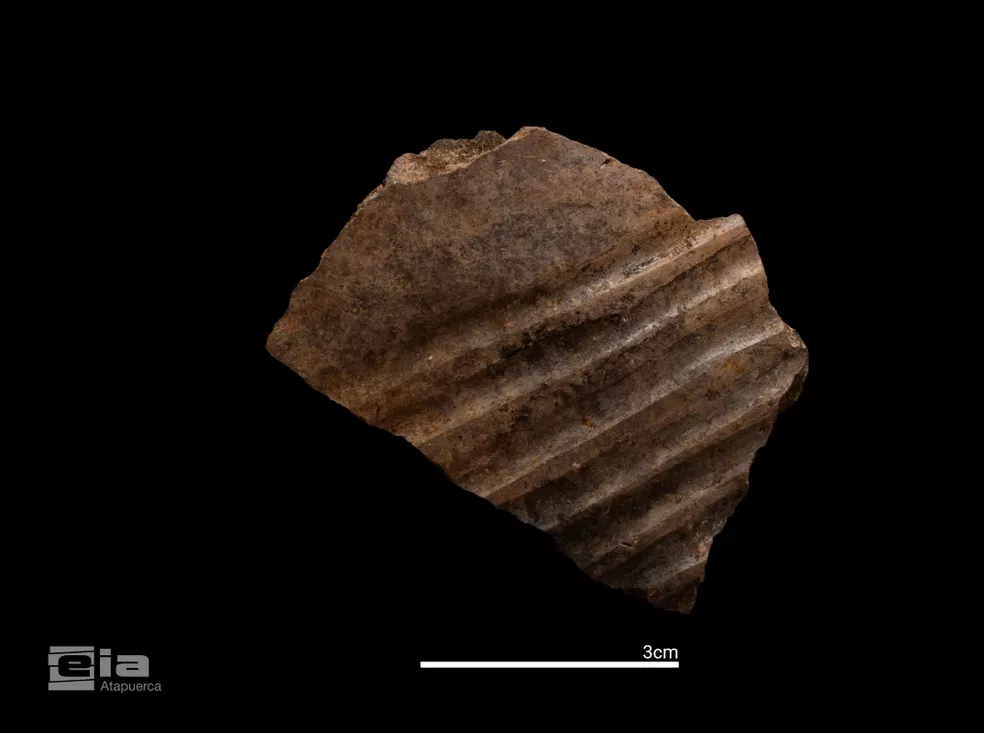
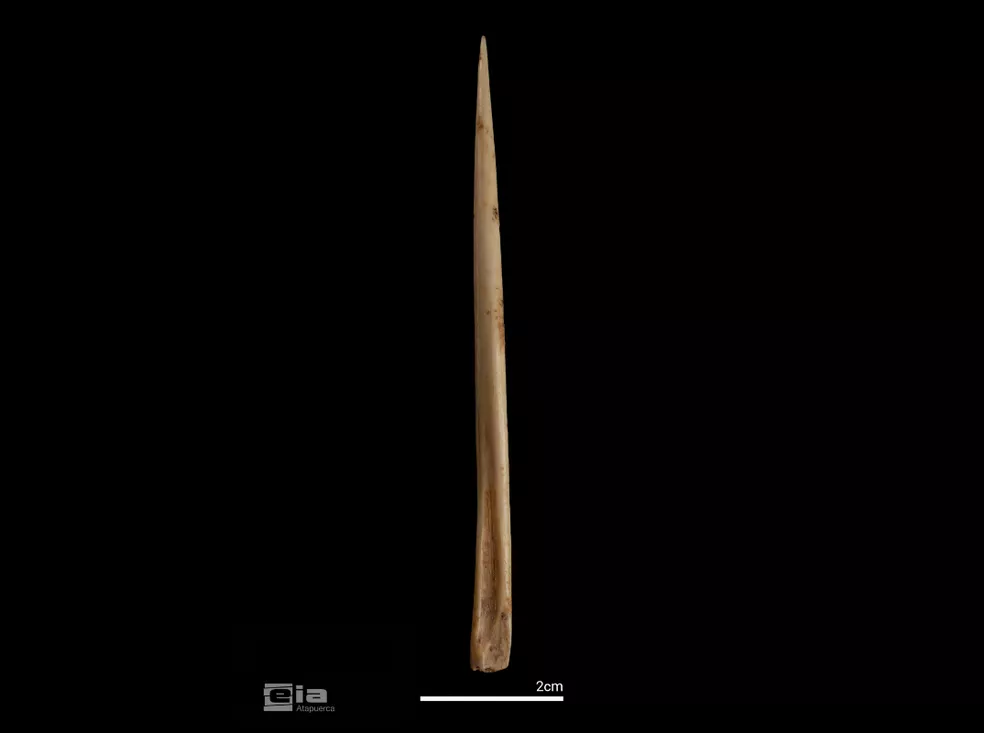
Among the recovered artefacts are numerous pottery fragments of different shapes and sizes, decorated with incised and impressed motifs, many of them bearing perforations used to suspend the vessels. The assemblage also includes several stone and bone tools, including a bone needle and a number of awls.
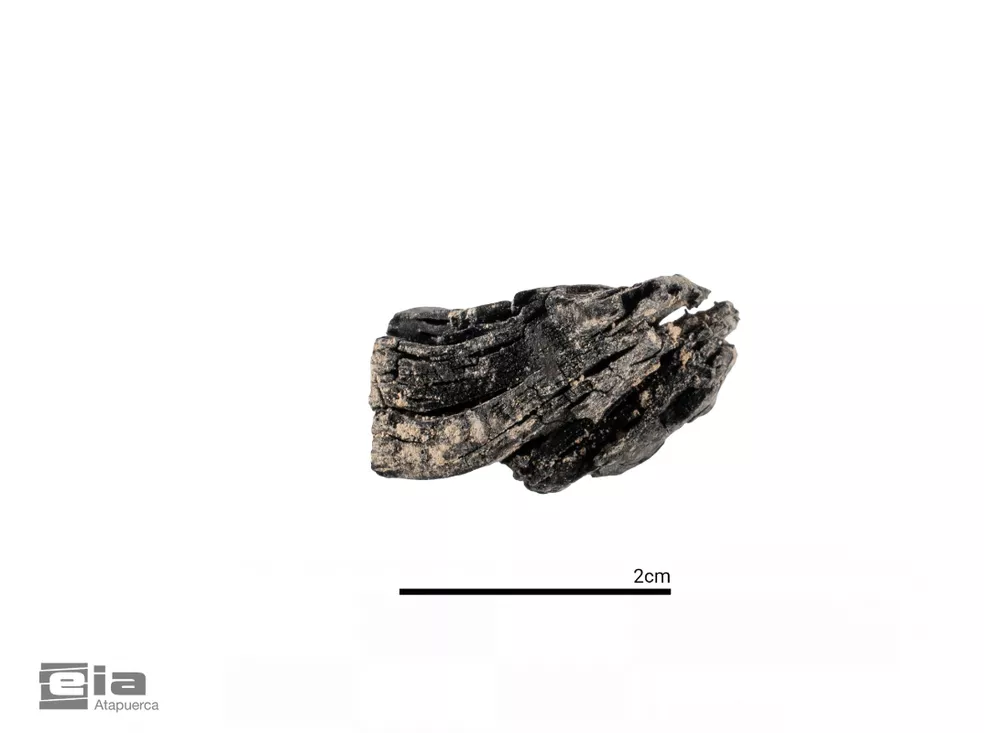
Flotation of the sediments recovered abundant carbonised plant remains, especially bulbs and wild fruits, highlighting the importance of gathering activities alongside farming and livestock husbandry within these Neolithic communities. The recovery of numerous charcoal fragments is also helping researchers distinguish between the use of branches and trunks, determine wood diameters and better understand practices such as woodland exploitation and the use of branches as fodder for livestock.
The campaign also continued implementing its sampling protocol for archaeobotanical microremains and analytical chemistry studies on pottery and stone artefacts. As part of this work, a team from the Department of Chemistry at the University of the Basque Country participated in ceramic sampling at the field laboratories.
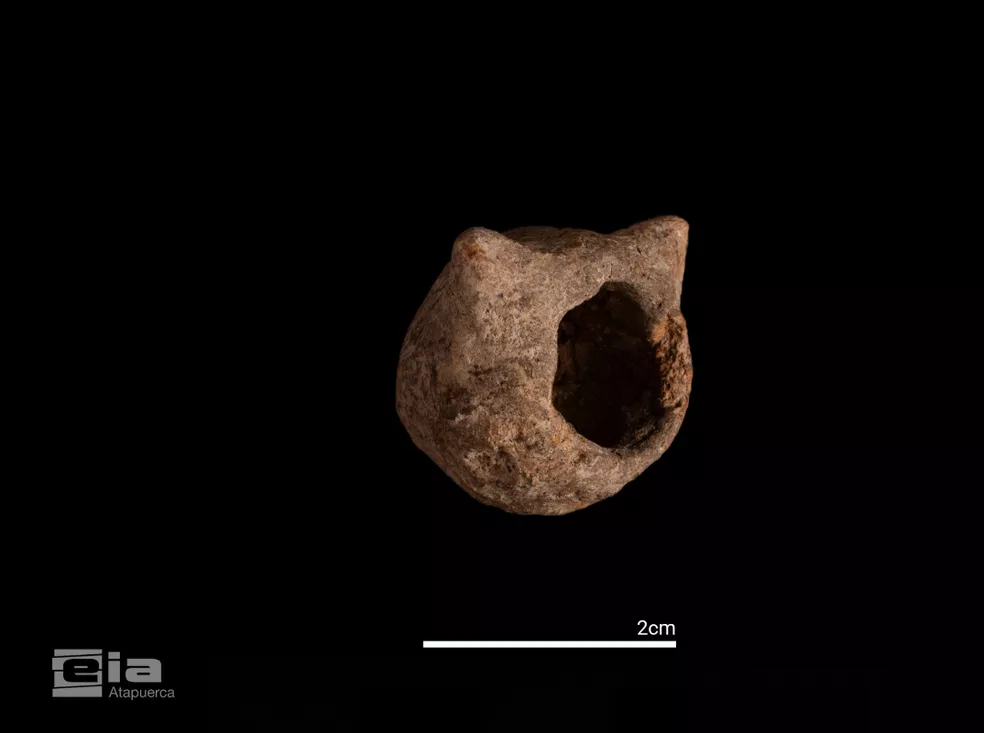
Among the most remarkable finds is a tiny ceramic vessel measuring just 2.5 cm in height and 2 cm in diameter, fitted with small horn-like appendages and recovered from level MIR109. Biomarker analyses will help determine whether this unusual object was a toy or a specialised container used to hold particular substances.
Arlanzón River sediment washing and biostratigraphy
Coordinated by Dr Juan Manuel López García (IPHES-CERCA) and Dr Carmen Núñez (Associated Researcher at IPHES-CERCA).
During the 2026 field season, approximately 12 tonnes of sediment were processed on the banks of the Arlanzón River (Ibeas de Juarros). These sediments originated from the principal archaeological levels excavated across the Sierra de Atapuerca sites. The washing and sorting programme yielded numerous remains of small vertebrates—including birds, amphibians, reptiles, shrews, moles, hedgehogs, bats and rodents—which are essential for reconstructing the environmental and climatic conditions of the past.
The processed material came from TE16, TE7 and TE6 at Sima del Elefante; TP1-4 and TP9-10 at Penal; TD6.1, TD6.2, TD4.1, TD4.2 and TD3 at Gran Dolina; GIIb and GIIIa at Galería; level 30A at Sala Fantasma; and levels 27, 26 and 22 at Cueva Fantasma.
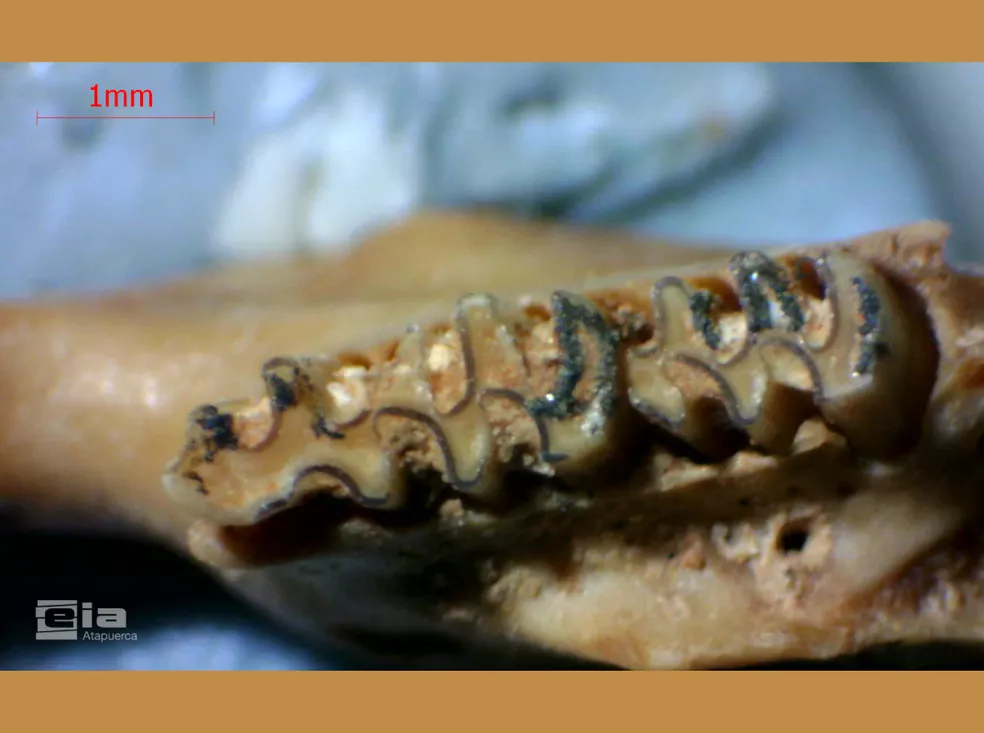
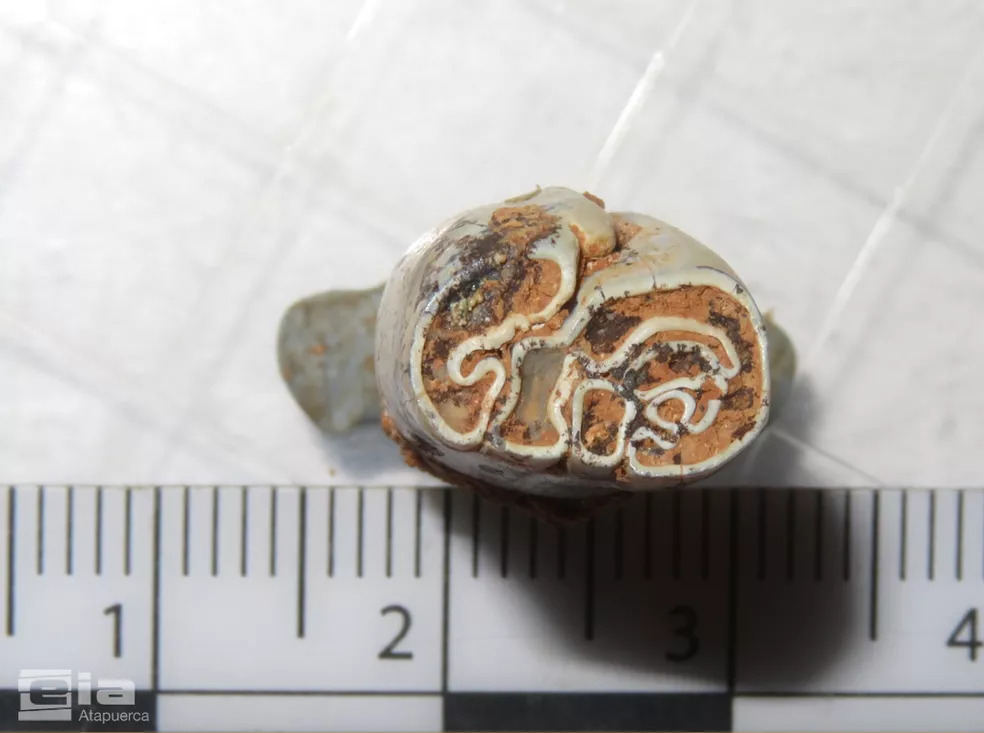
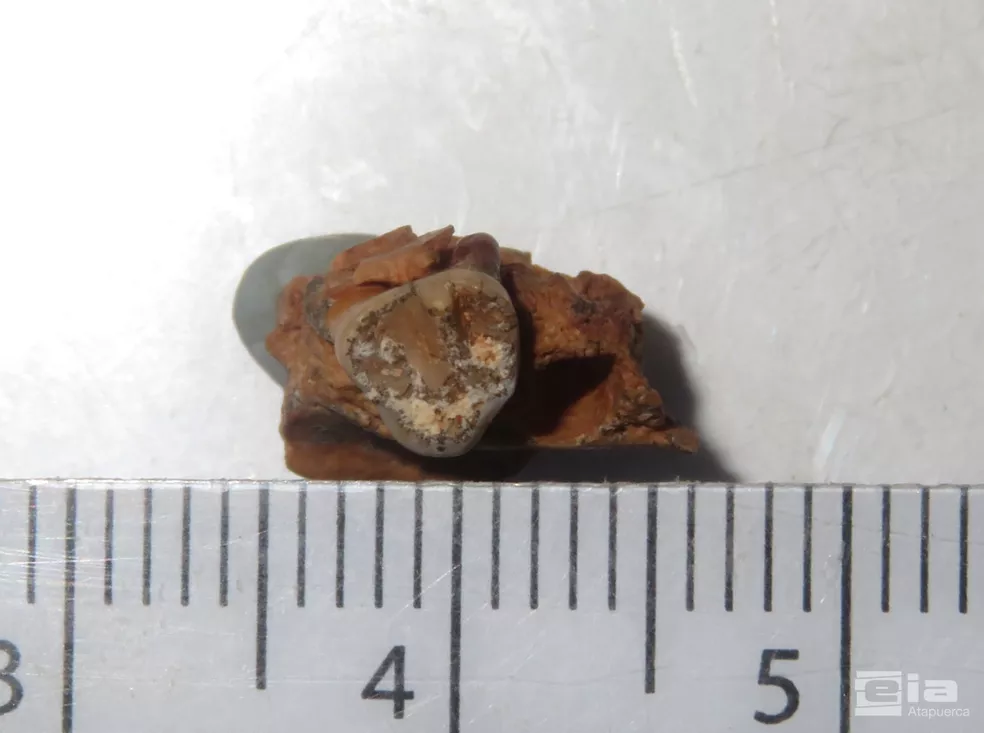
Among the most significant Lower Pleistocene discoveries are a maxilla of Marmota sp., the oldest marmot specimen documented at Atapuerca to date, and a first lower molar of Arvicola jacobaea showing severe pathological alteration, both recovered from level TE7 at Sima del Elefante. Level TE16, still poorly known from the perspective of microvertebrate assemblages, yielded a faunal association similar to that documented in the oldest levels of the site, including mice, voles, water voles, shrews, bats and corvids.
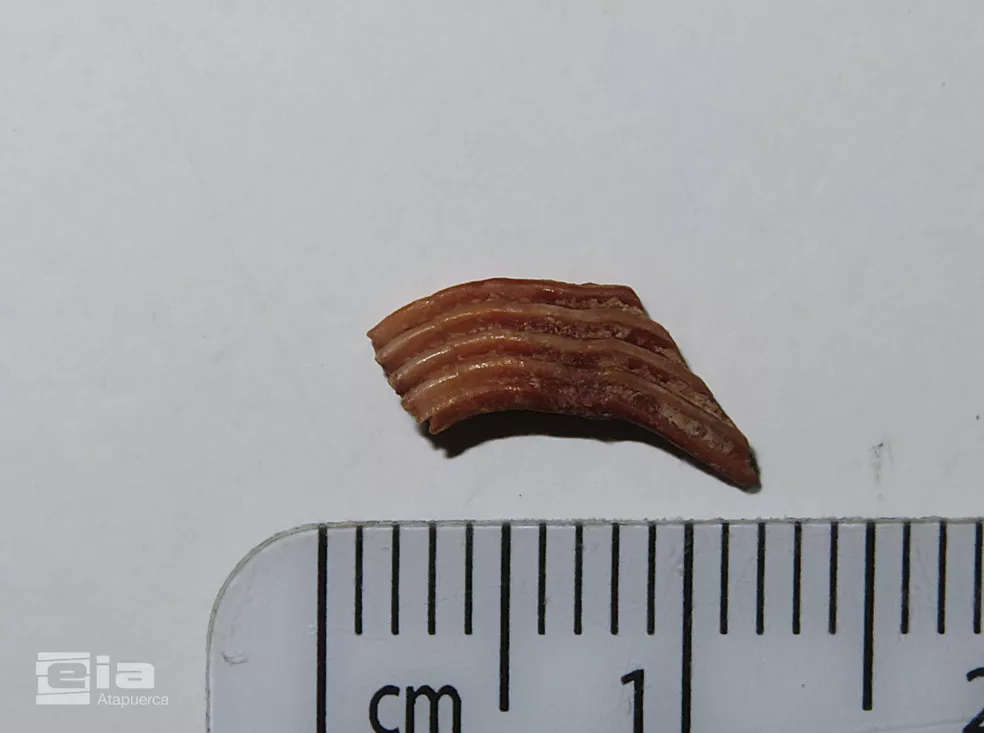
At Gran Dolina (TD6.1), researchers also recovered an almost complete skull of a desman (Galemys sp.) together with a porcupine molar (Hystrix sp.), while TD6.2 produced an unusually rich assemblage of small passerine birds.
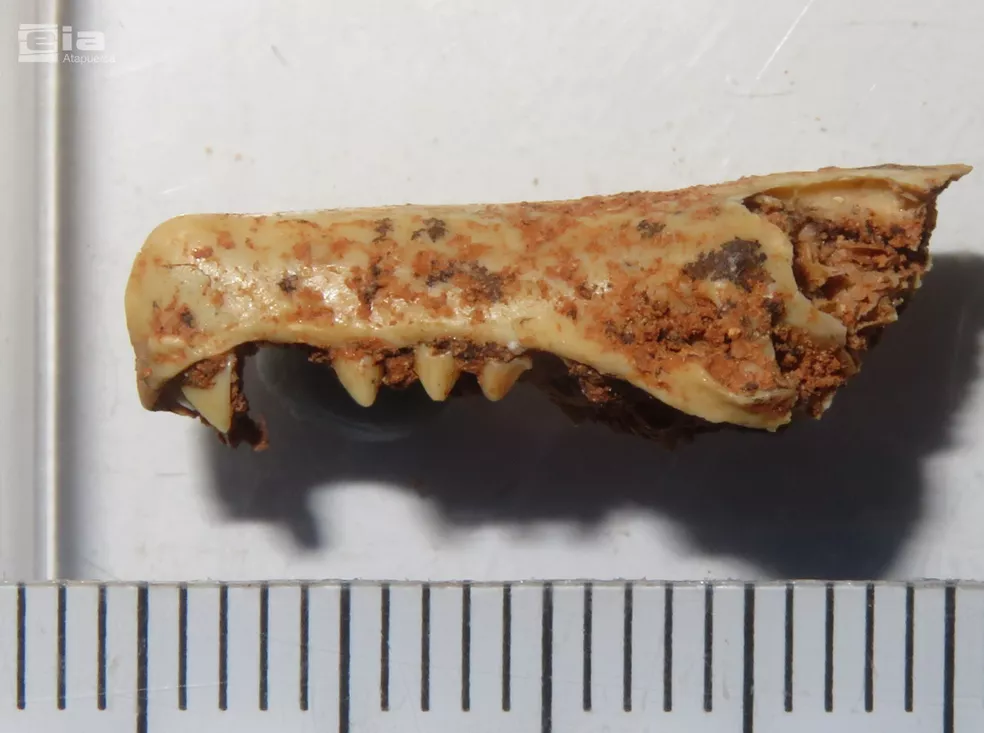
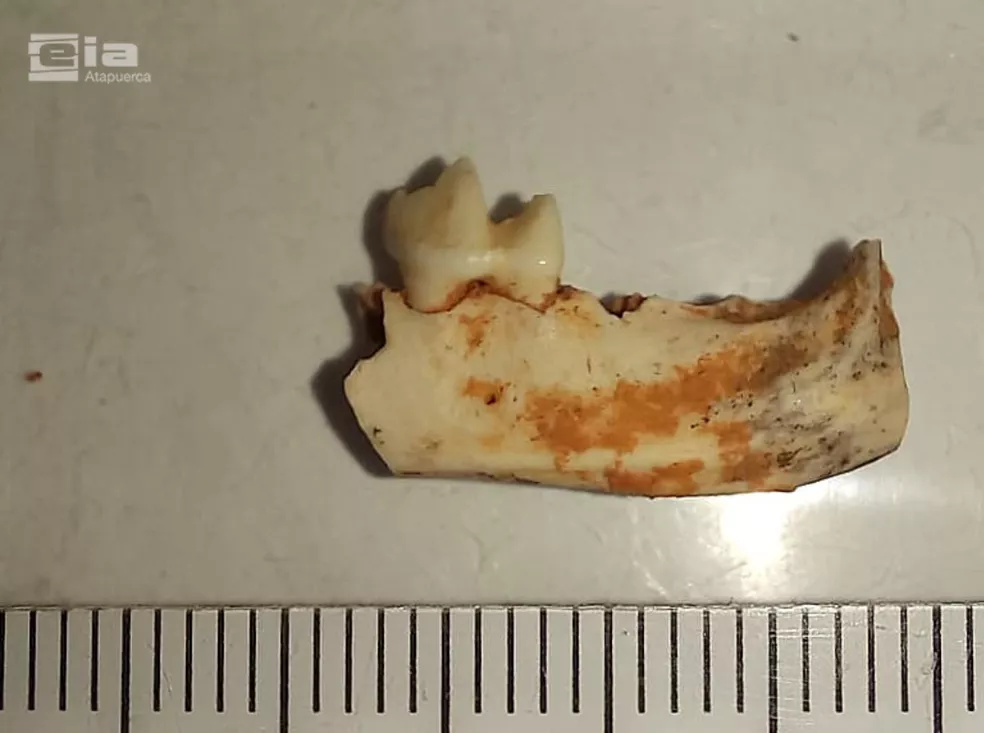
Among the Middle Pleistocene discoveries, a hedgehog mandible (Erinaceus sp.) recovered from Galería level GIIIb is particularly noteworthy. Finally, in the Upper Pleistocene record, the recovery of microvertebrates from Cueva Fantasma has documented, for the first time, the presence of the southern water vole (Arvicola sapidus) in level 27, an important finding for reconstructing the palaeoenvironment of the latest phases of occupation of the cave.
The results obtained during the 2026 excavation season once again highlight the Sierra de Atapuerca as one of the world’s foremost natural laboratories for the study of human evolution. Continued research across its different archaeological sites is steadily expanding our understanding of the earliest human populations in Europe, Neanderthal communities and Neolithic farming societies, while further strengthening the international scientific leadership of the Atapuerca Research Project.